◌ Prototype view · loading scan
Wreck points
Montenegro / Underwater atlas

DAGUE

French destroyer · 18 metres deep

Read Story
Explore the wreck3D

Overview

Drag to explorePinch or use + / − to zoom
A vessel, a mission, a memory

A February crossing. A lasting memory.

In 1915, the French destroyer Dague escorted the British steamer Whitehead, carrying food relief toward the Port of Bar. An Austro-Hungarian mine caused the loss; the precise movement of the ship and mine before the explosion remains uncertain.

The blast flooded the machinery spaces. Today, three surviving sections rest on sand beneath the Volujica headland, a fragmented record of conflict, rescue and remembrance.

77.2 m

Length overall

30 kn

Designed speed

18 m

Maximum wreck depth

3

Diveable sections today

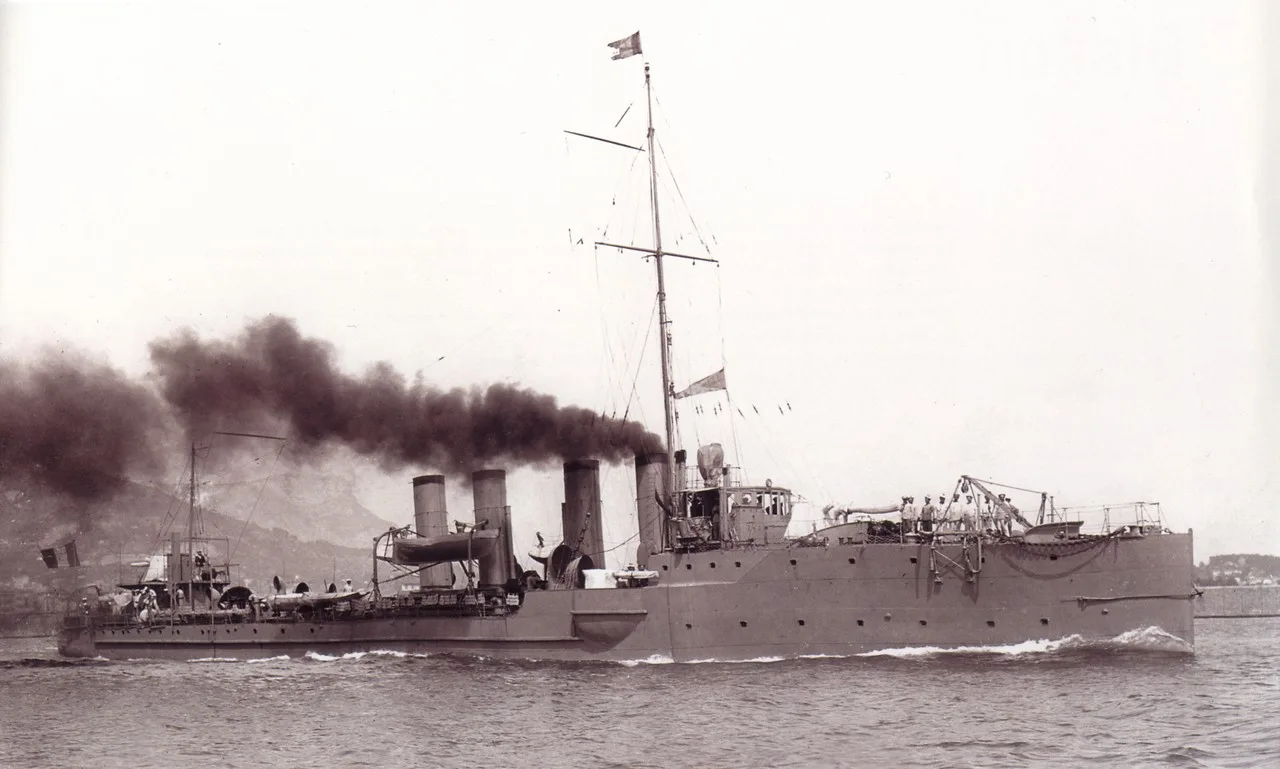
French destroyer Dague photographed in 1914Agence Rol, 1914 · Bibliothèque nationale de France
Before the wreck

Built for speed.
Remembered in fragments.

Dague was a Bouclier-class destroyer, launched in 1911. At more than 77 metres long and capable of 30 knots, she served in the Mediterranean during the opening months of the First World War.

Trace the story
Four moments

One site, layered in time.

  1. 1911

    Launched at Lormont

    Laid down in 1910 at the Lormont shipyard near Bordeaux, on the Gironde estuary, Dague is launched as one of the French Navy's Bouclier-class destroyers.

  2. 1915

    Lost outside Bar

    While escorting a relief ship, Dague strikes a mine at 09:40 on 24 February. 38 lives are lost.

  3. 1973

    Moved for the growing port

    The wreck is cut and relocated during the expansion of the Port of Bar. Three central sections remain accessible.

  4. TODAY

    An underwater landscape

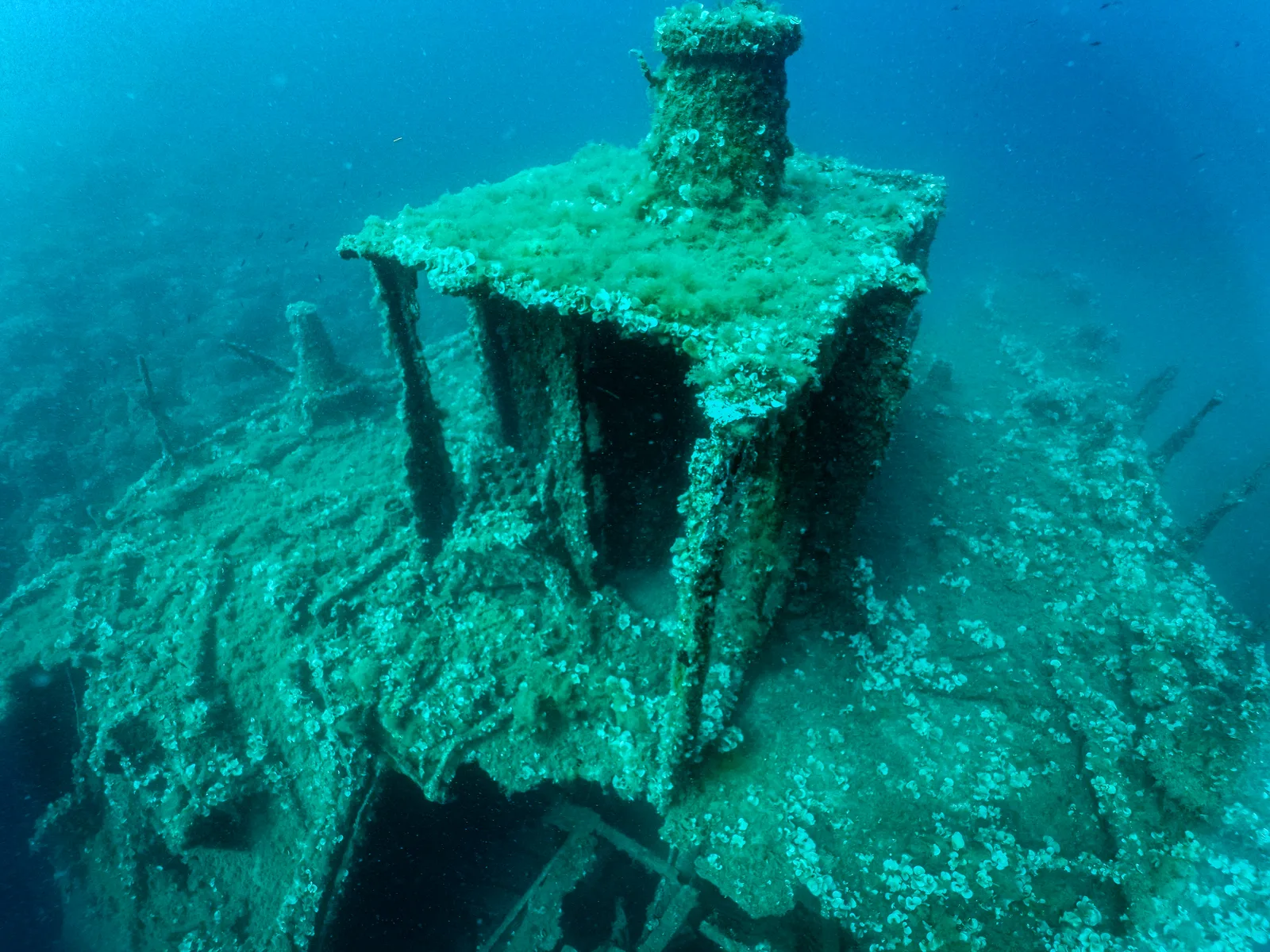
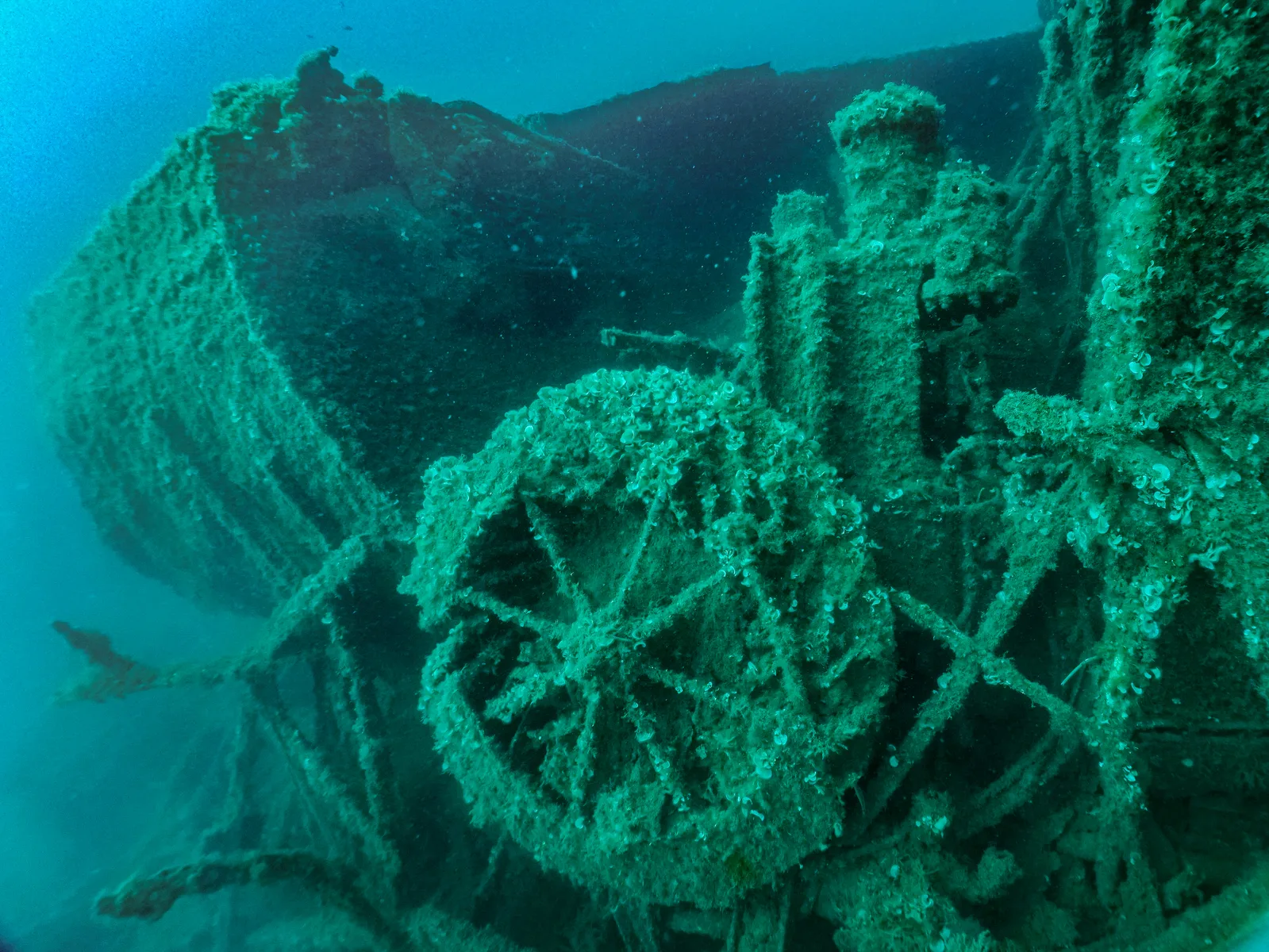
    Bridge remains, turbines, ammunition and structural fragments survive on a sandy seabed beneath Volujica.

Photogrammetry in the browser

The real site, made explorable.

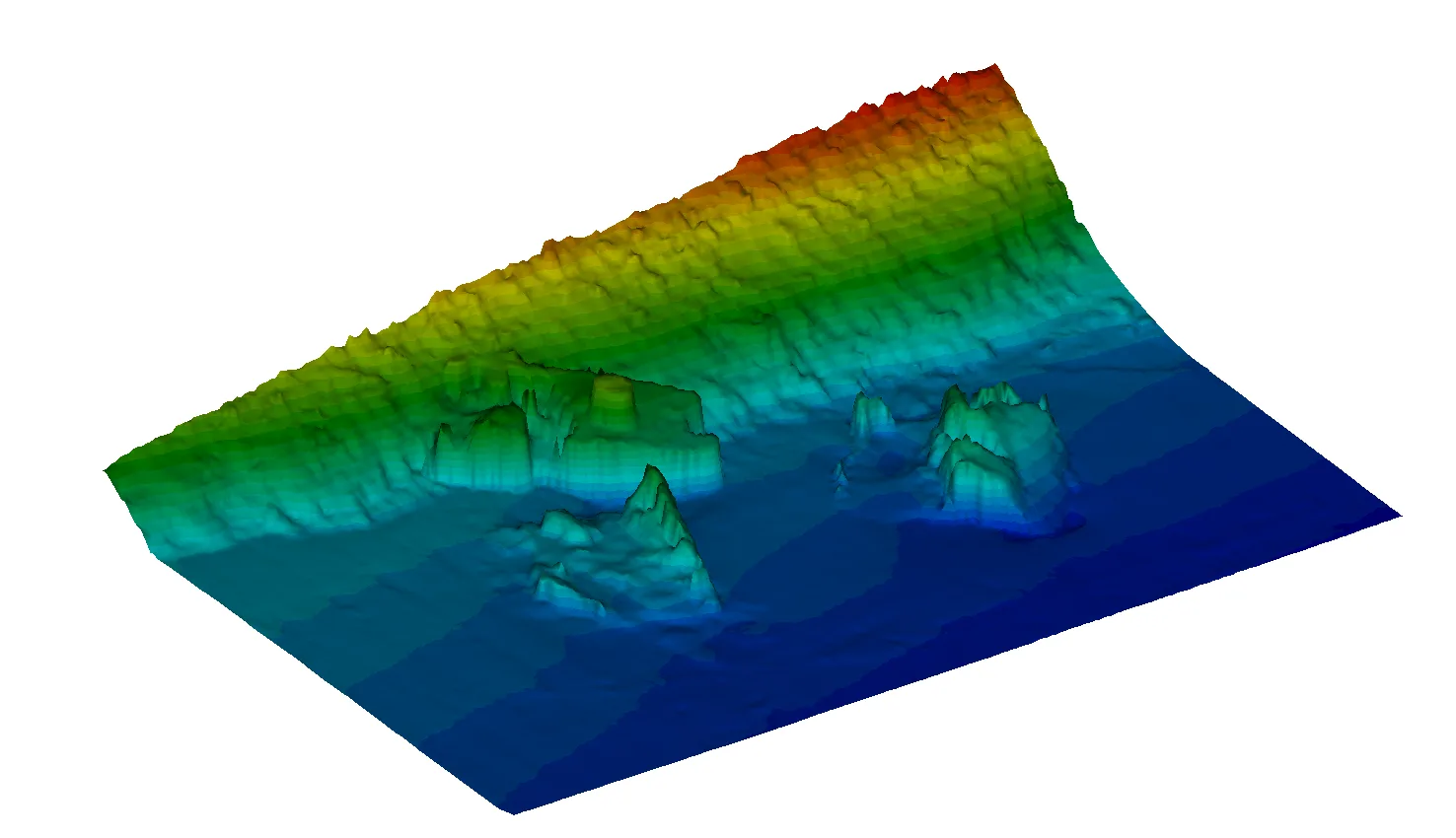
The interactive wreck uses detailed photogrammetry by the University of Montenegro. Its original Metashape OBJ and 8K texture were converted into a 3.35 MB GLB while preserving the readable structure of the archaeological site.

107K triangles2K WebP texture3.35 MB GLBMobile-first
Download optimized GLB

From the collection

Closer to the evidence.

The research narrative

A deeper reading.

French Destroyer Dague

The wreck of the French destroyer Dague is one of Montenegro’s best-known underwater heritage sites. Its story connects the First World War, Allied support for Montenegro and the development of modern wreck-diving tourism near Bar.

A modern destroyer

Dague was a Bouclier-class destroyer built for the French Navy by Forges et Chantiers de la Gironde in Bordeaux. Launched in 1911 and commissioned on 20 May 1912, it belonged to a generation of fast, turbine-powered warships designed to screen fleets, escort convoys and launch torpedo attacks.

The vessel was approximately 77 metres long, displaced about 730–800 tonnes and carried a crew of more than 80 officers and sailors. Its armament consisted of two 100-millimetre guns, four 65-millimetre guns and four 450-millimetre torpedo tubes arranged in two twin mountings.

Powered by oil-fired boilers and steam turbines, Dague could exceed 30 knots. This speed made it one of the French Navy’s more advanced destroyers when the First World War began.

War in the Adriatic

Following the outbreak of war in August 1914, France and Britain attempted to restrict the movement of the Austro-Hungarian Navy and maintain maritime supply routes to Montenegro. Bar—then internationally known as Antivari—became a vital entry point for food, military equipment and other supplies.

Dague served with the French Mediterranean Fleet and participated in operations along the Montenegrin coast. It accompanied the Allied fleet during the Battle of Antivari on 16 August 1914, when the Austro-Hungarian cruiser SMS Zenta was sunk, and later helped escort supply convoys to Montenegro.

These voyages were extremely dangerous. Austro-Hungarian warships and torpedo boats periodically attacked Bar and laid mines in its approaches, while the absence of effective minesweeping equipment left supply vessels and their escorts exposed.

The final mission

In February 1915, Dague and its sister ship Faulx escorted a convoy carrying provisions to Bar. The convoy included the British merchant steamship Whitehead, whose cargo was intended to support Montenegro’s population and armed forces.

The convoy arrived on 23 February, and the destroyers remained in the harbour approaches while the transports unloaded. During the following evening, Dague was at anchor in the Antivari roadstead when it encountered an Austro-Hungarian mine.

Popular accounts often state that strong wind caused Dague to drag its anchor across the seabed until it struck a fixed mine. French naval histories and contemporary reports more cautiously describe the weapon as a drifting mine, probably released from a field previously laid near the harbour entrance. The exact movement of the ship and mine immediately before the explosion cannot be established with complete certainty.

Explosion and sinking

On 24 February 1915, an explosion tore through Dague. The blast caused catastrophic damage near the machinery spaces, rapidly flooding the hull and breaking the destroyer into two major sections.

The vessel sank within minutes. Survivors escaped into the cold water, reached the nearby breakwater or were rescued by Faulx, which approached the sinking destroyer despite the danger posed by additional mines.

Contemporary French announcements and modern naval histories record 38 fatalities, not 39 as stated in some later tourism texts. Approximately 56 men, including the commanding officer and four other officers, survived the disaster.

The sinking did not prevent the convoy from completing its mission. Supplies were unloaded, and the surviving vessels subsequently departed Bar.

A significant loss

Dague was the first French warship lost in the Adriatic during the First World War. Its destruction demonstrated how naval mines—relatively inexpensive weapons that could remain dangerous after being laid—could threaten even fast and modern warships.

The tragedy also reflects the importance of the Allied supply route to Montenegro. French sailors were operating far from their home ports in support of a country that depended heavily on maritime deliveries while confronted by Austro-Hungarian military pressure and naval blockade.

Altered by the port

The wreck remained on the seabed within the harbour area for more than half a century. In 1973, the expansion of the Port of Bar required much of it to be removed from its original position.

Divers and construction teams cut the wreck into five sections. The bow was later covered by port construction, the stern reportedly remained near its original position, and three central sections were moved to a nearby underwater location where they can now be visited by divers.

Human remains encountered during the works were partly recovered in the presence of French representatives and subsequently repatriated, according to local documentation. Because the recovery was not necessarily complete, the entire wreck area should continue to be treated with the respect due to a maritime war grave.

The wreck today

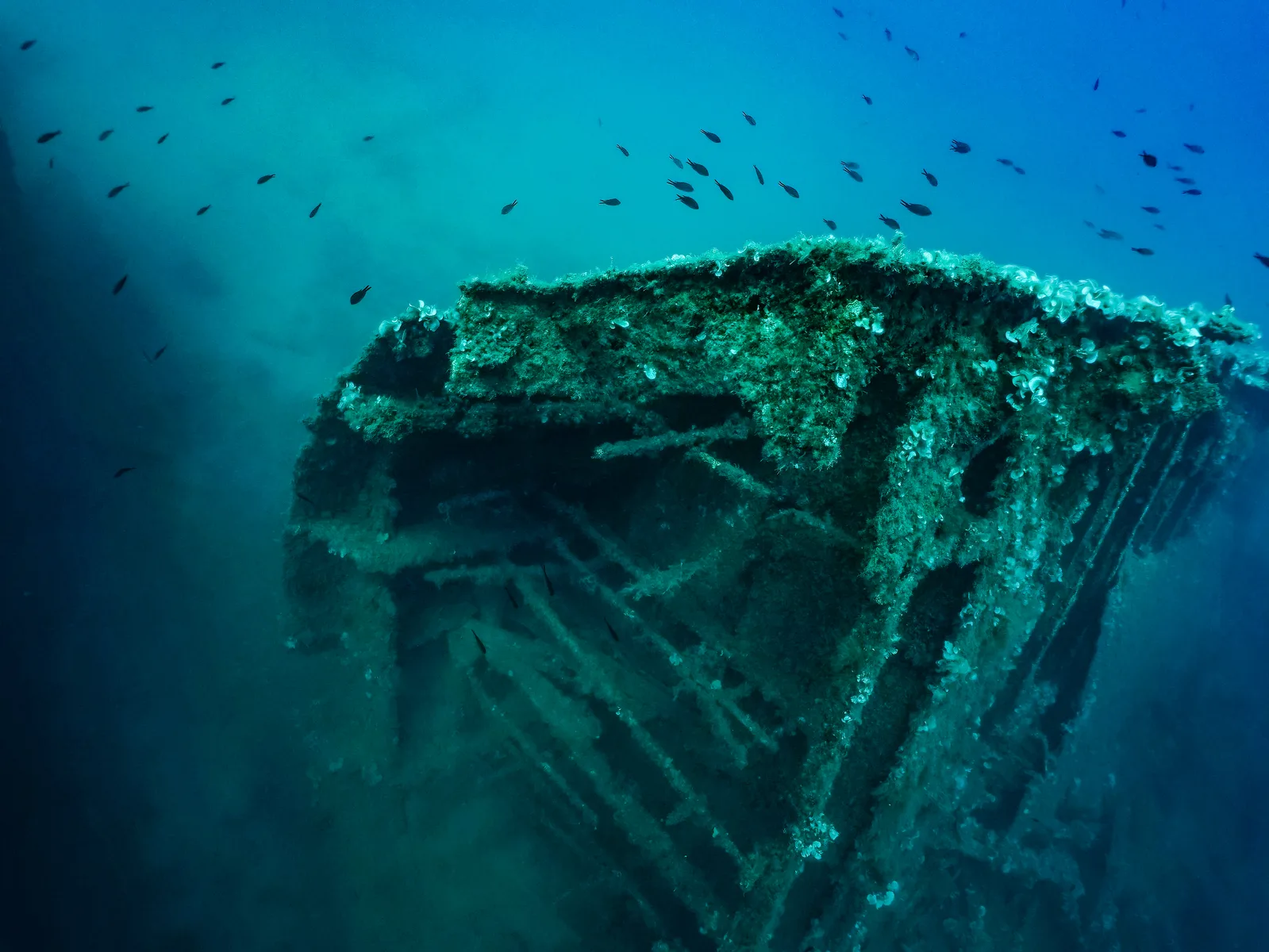
The three principal accessible sections lie close to one another at depths reaching approximately 18 metres. Although cutting, relocation, corrosion, sediment movement and unauthorized removal of objects have substantially altered the original wreck, significant structural and mechanical elements remain visible.

Divers can recognize parts of the command bridge, steam turbines and machinery, together with hull plating and other fittings. Artillery shells and ammunition have also been reported in and around the wreckage, providing evidence of the vessel’s wartime role but creating an important safety concern.

The seabed surrounding the remains has become a marine habitat, with the wreckage providing shelter for fish and other organisms. Its cultural and ecological characteristics together make Dague one of the most distinctive underwater sites in the Bar area.

Memory and interpretation

Objects recovered from Dague, including equipment and personal belongings associated with its crew, entered the collection of the Bar museum. In 2015, an exhibition commemorating the centenary of the sinking used these objects to present the lives of the sailors and the circumstances of the disaster.

The wreck has also been digitally documented through the WRECKS4ALL project. Interactive 3D models, virtual-reality presentations and a mobile application make the site accessible to audiences who cannot visit it underwater while supporting education, monitoring and sustainable tourism.

Today, Dague serves as both an underwater memorial and a symbol of the long-standing relationship between Montenegro and France. Its preservation depends on balancing public access with archaeological protection and respect for the sailors who lost their lives.