Zenta served the Austro-Hungarian navy on overseas voyages before returning to the Adriatic. In August 1914 it was intercepted by a French fleet off the Montenegrin coast and sank in battle. Its history connects the underwater landscape with the opening months of the First World War.
Cruiser / Off Petrovac
SMS Zenta
A naval battle remembered in the deep Adriatic.
From the collection
Closer to the evidence.
The research narrative
A deeper reading.
Austro-Hungarian Cruiser SMS Zenta
Lying in deep water off the Montenegrin coast, SMS Zenta is one of the most historically significant shipwrecks in the Adriatic. The cruiser was lost on 16 August 1914 in the Battle of Antivari—the first major naval engagement in the Adriatic during the First World War—and became the final resting place of 174 members of its multinational crew.
A new type of cruiser
SMS Zenta was the lead vessel of a class of three protected cruisers built for the Austro-Hungarian Navy. Its sister ships were SMS Aspern and SMS Szigetvár. Contrary to descriptions that place its construction at the beginning of the twentieth century, Zenta was built during the final years of the nineteenth century.
Its keel was laid at the Imperial and Royal Naval Arsenal in Pola, present-day Pula, on 8 August 1896. The cruiser was launched on 18 August 1897 and entered naval service in May 1899.
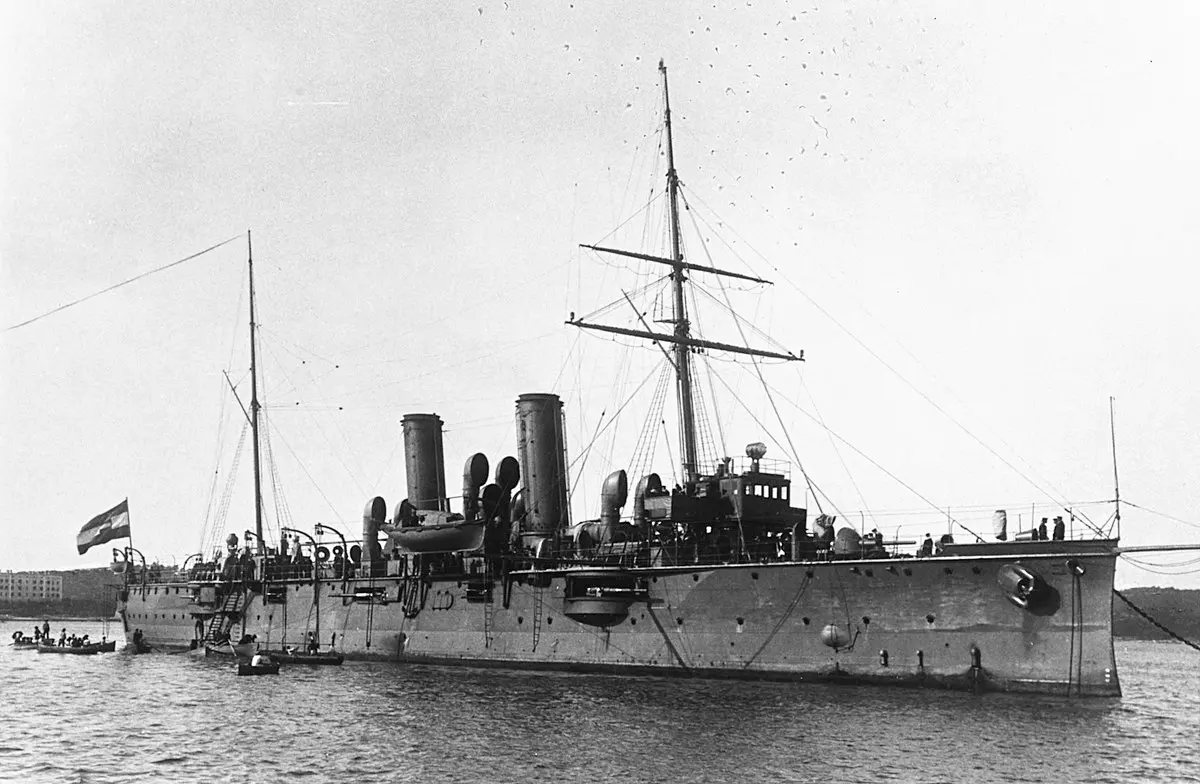
The Zenta class was designed primarily for reconnaissance, overseas service and the protection of larger warships against torpedo-boat attacks. To achieve greater speed, the vessels carried relatively light armour compared with heavier cruisers of the period.
Design and armament
Zenta measured approximately 96.9 metres in length and 11.7 metres across the beam, with a displacement of about 2,543 tonnes. Eight coal-fired Yarrow boilers supplied steam to two triple-expansion engines, each driving a propeller.
During trials, the cruiser reached almost 22 knots, although its speed declined as the machinery aged. Its principal armament consisted of eight 120-millimetre Škoda quick-firing guns, supported by smaller guns, machine guns and two 450-millimetre torpedo tubes.
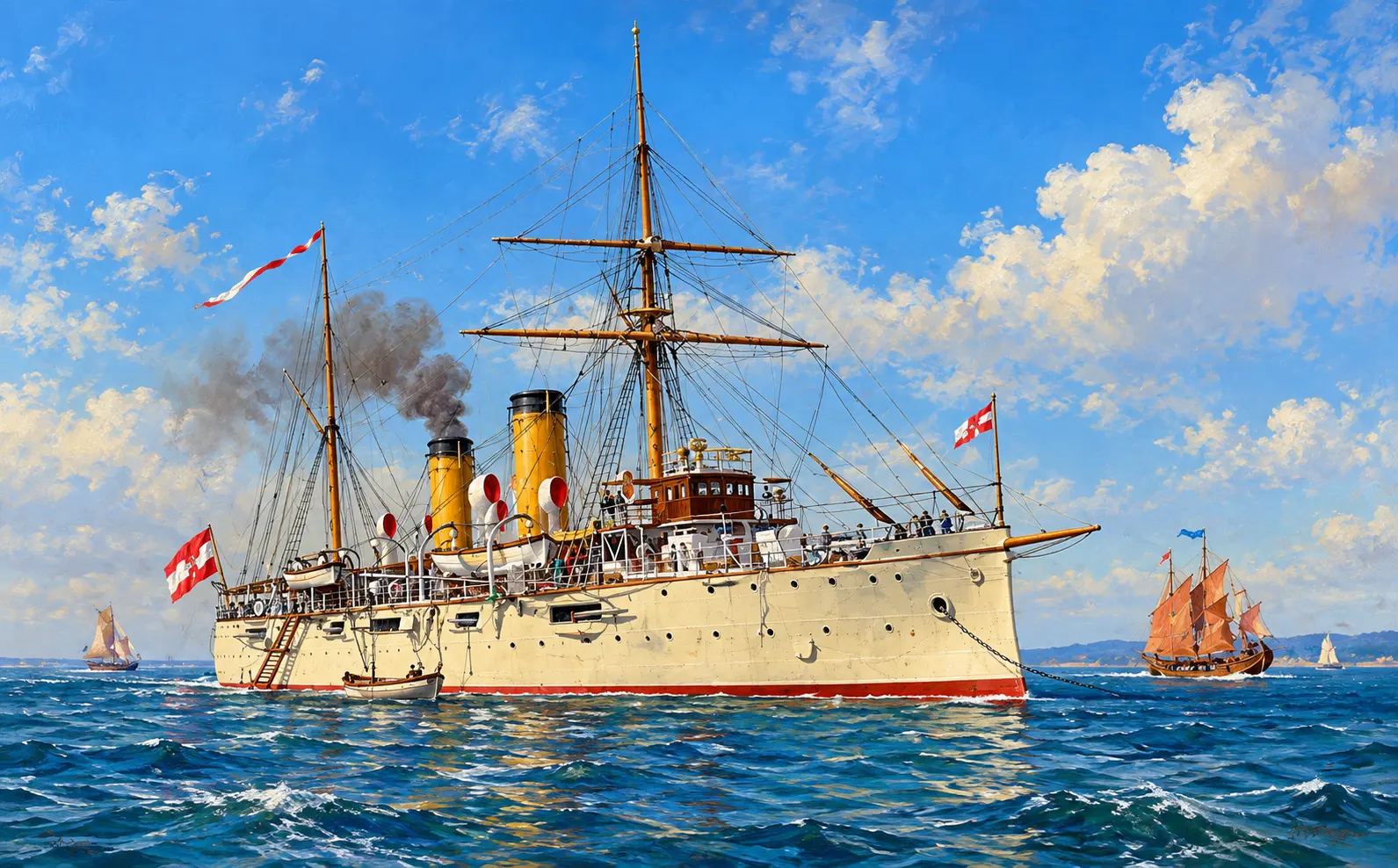
Because the class was intended to operate far from Austro-Hungarian naval bases, its designers also provided two masts and an auxiliary sailing rig of approximately 586 square metres. The sails were intended to conserve coal and extend the vessel’s operational range, although surviving photographs do not conclusively demonstrate how frequently they were used.
Voyages across the world
Soon after entering service, Zenta embarked on an overseas deployment to East Asia. It reached Chinese waters in 1900 and participated in international operations during the Boxer Rebellion, when Austro-Hungarian sailors joined other foreign forces protecting diplomatic missions and citizens.
The cruiser later undertook a lengthy voyage along the coasts of Africa and South America in 1902–1903. These journeys combined naval training, diplomacy and the display of the Austro-Hungarian flag in distant ports.
After returning to the Adriatic, Zenta spent much of the following decade participating in fleet exercises, training cruises and periods of refit. By 1914, however, it was an ageing and comparatively slow cruiser in a rapidly changing era of naval technology.
Blockade of Montenegro
When the First World War began in the summer of 1914, Montenegro joined Serbia and the Entente powers against Austria-Hungary. The Austro-Hungarian Navy responded by establishing a blockade intended to prevent weapons, supplies and other assistance from reaching Montenegro through the port of Antivari, today’s Bar.
Under the command of Frigate Captain Paul Pachner, Zenta took part in patrols and operations along the Montenegrin coast. On the morning of 16 August 1914, it was conducting blockade duty with the destroyer SMS Ulan when lookouts observed smoke from a powerful Allied fleet approaching from the southwest.
The Allied force, commanded by French Admiral Augustin Boué de Lapeyrère, had entered the Adriatic to challenge the blockade and draw Austro-Hungarian naval units into battle. It included French battleships and cruisers accompanied by British warships—an overwhelming force compared with the two Austro-Hungarian vessels.
The Battle of Antivari
At approximately 07:46, lookouts aboard Zenta and Ulan reported the approaching ships. Realizing the danger, the two vessels turned north toward the Bay of Kotor, but the faster Allied fleet moved to cut off their escape.
Captain Pachner ordered Ulan, which had the speed necessary to break away, to continue north. The destroyer escaped and eventually reached the safety of the Bay of Kotor, while the slower Zenta remained behind to face the Allied squadron.
The engagement began at about 08:50. Zenta’s 120-millimetre guns were greatly outranged by the heavy artillery of the French battleships, leaving the cruiser unable to fight on equal terms.
Heavy shells struck the hull, machinery and gun positions, starting fires and eventually bringing the engines to a halt. At approximately 09:20, with the cruiser fatally damaged, Pachner gave the order to abandon ship. Zenta sank shortly afterwards near Castellastua, present-day Petrovac, reportedly with its naval ensign still flying.
Loss and survival
For decades, histories of the battle repeated that 312 people were aboard Zenta, of whom 173 died and 139 survived. Detailed research based on two official casualty lists compiled in September and October 1914 has demonstrated that these figures were incomplete.
The archival records identify 324 people aboard: 15 officers and 309 sailors. A total of 174 men died—one officer and 173 sailors—while 150 survived and entered Montenegrin captivity.
The surviving officer who died was Friedrich Rotter, one of the ship’s senior engineering officers. Captain Pachner and the remaining 14 officers survived, together with 136 sailors.
The Allied warships did not remain to recover the crew. Survivors spent several exhausting hours in the water before reaching the Montenegrin coast, where they were captured and held as prisoners of war.
Most remained in captivity until January 1916, when Austro-Hungarian forces occupied Montenegro. The survivors were then released and returned to Austro-Hungarian naval service.
A multinational crew
Like the Austro-Hungarian Empire itself, Zenta’s crew came from many regions and spoke several languages. Sailors originated from present-day Austria, Hungary, Croatia, the Czech Republic, Slovakia, Slovenia, Italy, Poland, Bosnia and Herzegovina, and other territories of the former empire.
Archival research records 93 sailors holding Hungarian citizenship and four Hungarian officers aboard during the final battle. The wider crew included large contingents from Dalmatia, the Austrian Littoral, Bohemia, Moravia and other crown lands.
The wreck therefore represents more than the history of a single state. It is a shared underwater memorial connected with numerous communities across Central Europe and the Adriatic.
The wreck today
The wreck lies several nautical miles west-southwest of Petrovac, rather than directly outside the modern port of Bar. Published reports place it on a muddy seabed at depths ranging from approximately 64 to 73 metres, although some diving accounts give a maximum depth of around 75 metres.
Its location was conclusively documented by members of the Belgrade diving club Triton in 2001 after several years of searching. The divers produced the first documented underwater video of the site, although earlier unrecorded visits may have occurred.
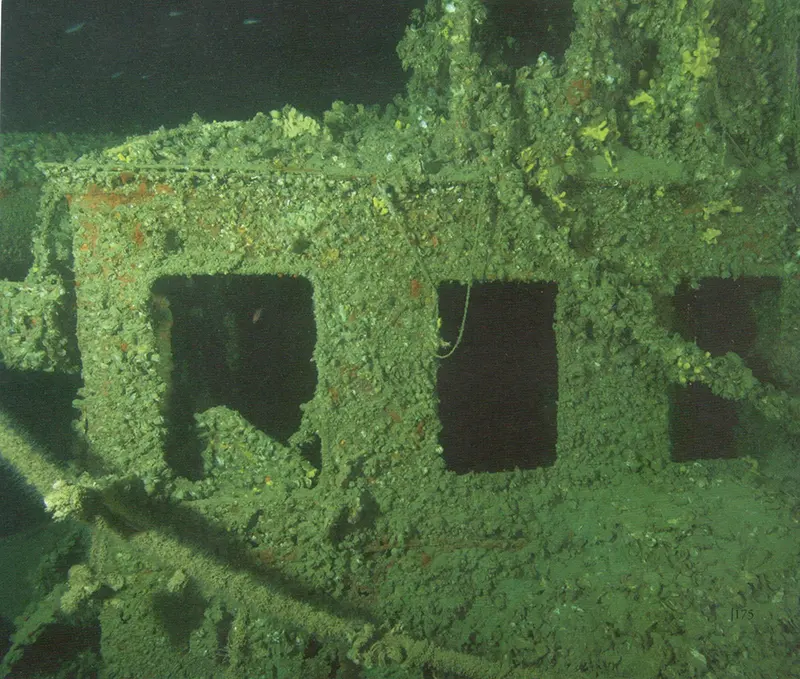
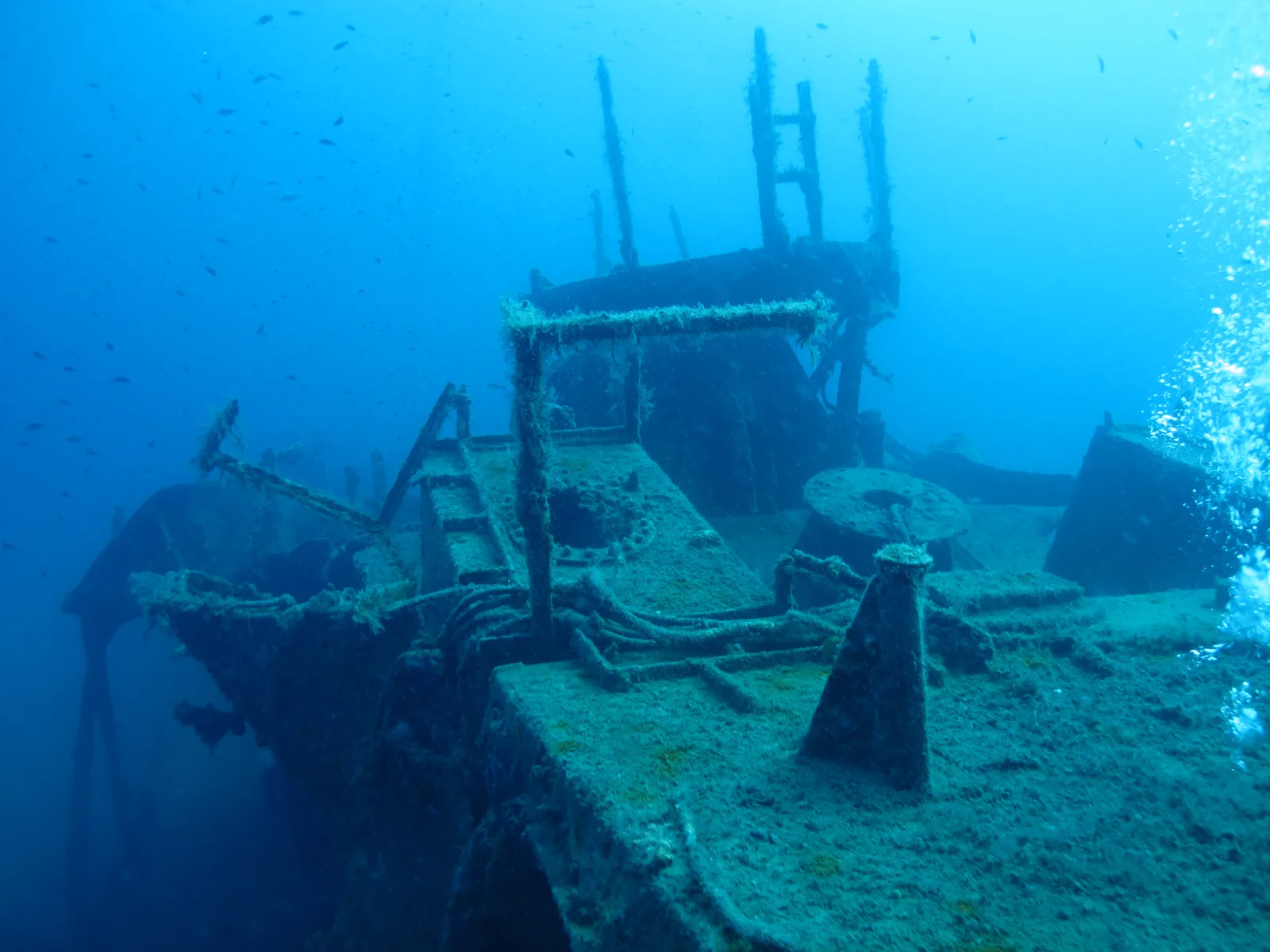
Zenta rests largely upright, with its bow and stern still recognizable despite severe battle damage, corrosion and more than a century underwater. Its size—almost 97 metres long—makes it the largest wreck of a warship presently known in Montenegrin waters.
The hull has also become a large artificial reef, providing a habitat for marine life on an otherwise predominantly muddy seabed. At the same time, reports of unauthorized removal of objects demonstrate that depth alone cannot protect the site from human interference.
Research and documentation
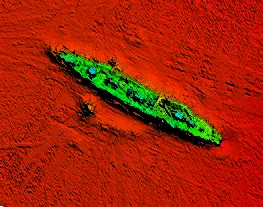
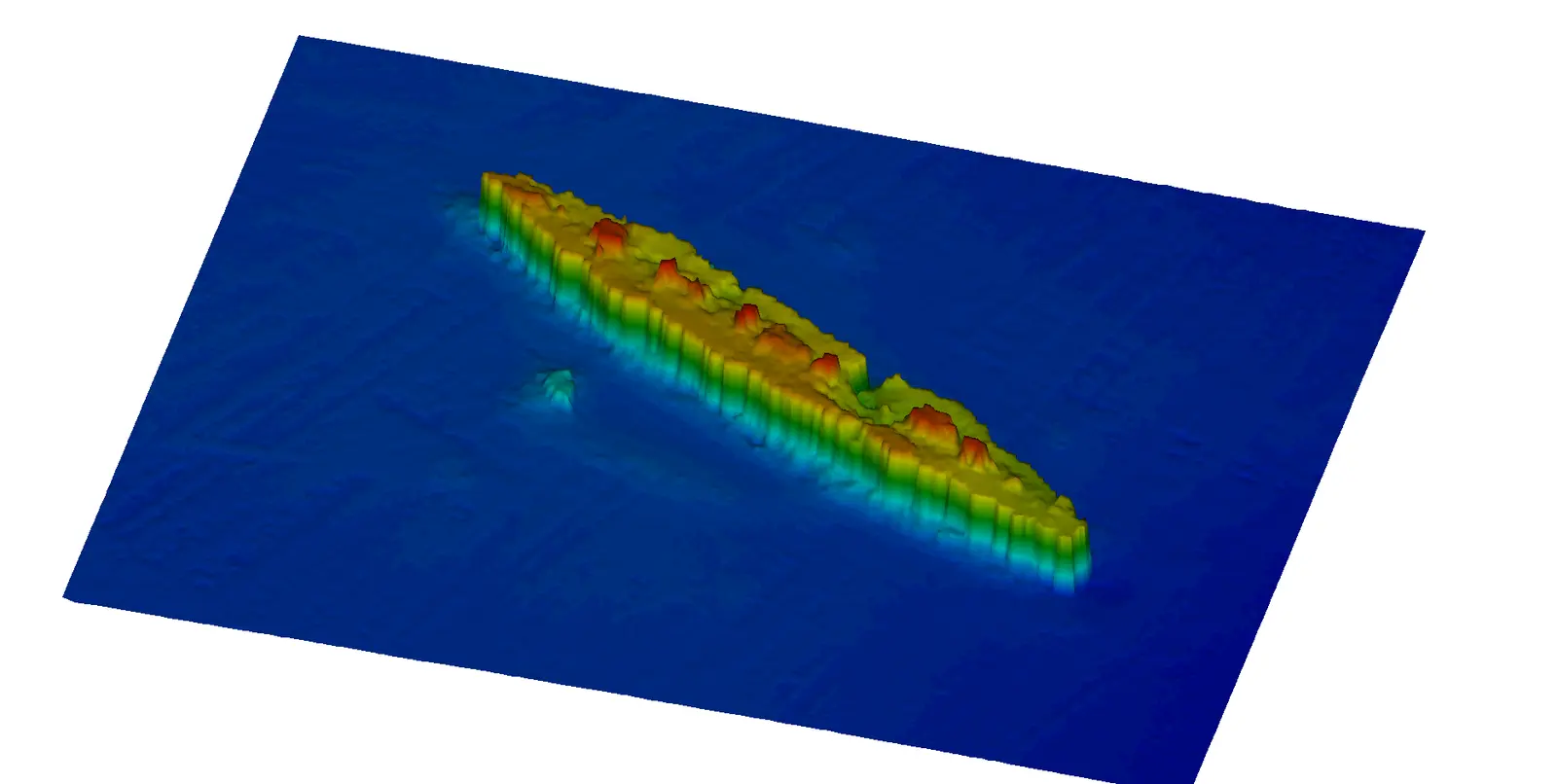
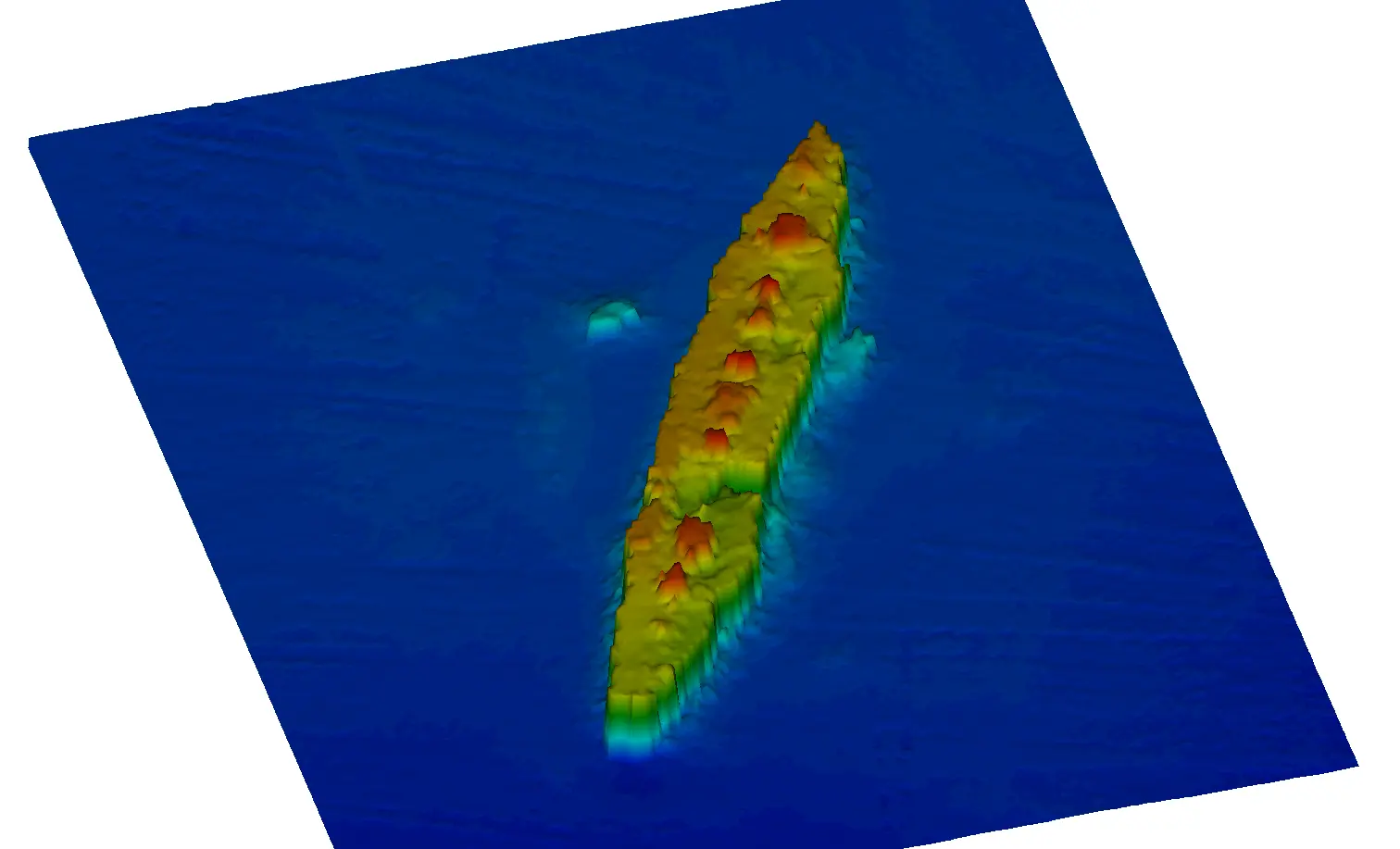
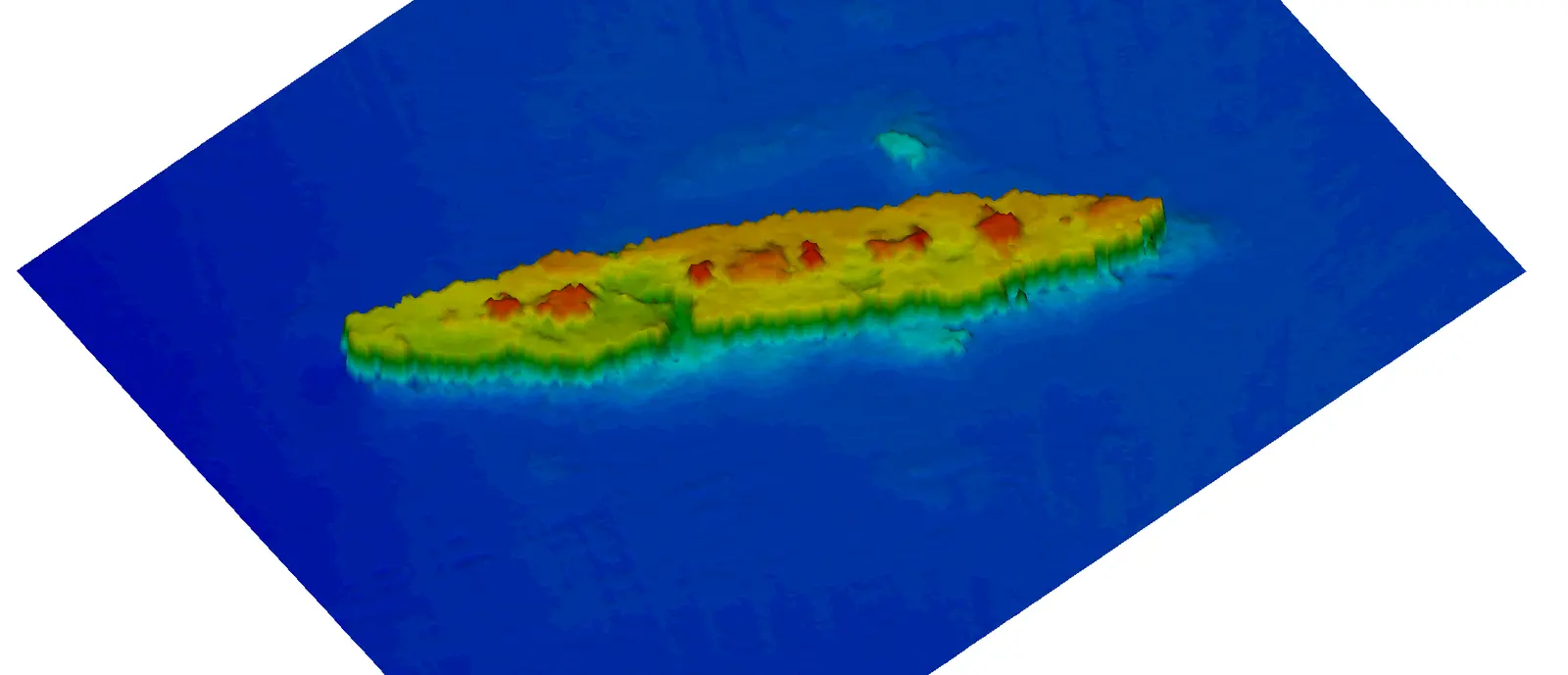
In 2025, the Centre for Archaeology of the University of Montenegro’s Institute for Interdisciplinary and Multidisciplinary Studies undertook systematic digital documentation of the wreck. The work produced a detailed three-dimensional record of Zenta, supporting archaeological interpretation, condition monitoring and virtual presentation of the site.
Digital photogrammetry is especially valuable at this depth because direct working time on the wreck is limited. A measurable 3D model allows researchers to examine the vessel’s surviving structure, compare changes over time and present the wreck to audiences who cannot visit it underwater.
Diving Zenta
At more than 70 metres, Zenta is far beyond the limits of ordinary recreational scuba diving. Reaching it requires technical-diving qualifications, trimix breathing gases, redundant equipment and carefully planned decompression procedures.
Cold water, darkness, reduced visibility, fishing gear, unstable metalwork and the depth itself create serious hazards. Any visit should be undertaken only by highly experienced technical divers working with qualified local teams and in accordance with archaeological and maritime regulations.
The wreck should not be entered or disturbed. Ammunition may remain on the site, while fragile structures can collapse without warning. Removing an object destroys archaeological information and violates the integrity of a site that is also the final resting place of much of the crew.
An underwater memorial
SMS Zenta is both an archaeological site and a maritime war grave. The wreck contains the remains of sailors who died during the battle, and it should be approached with the same respect as a military cemetery on land.
Its significance reaches beyond the story of naval warfare. Zenta bears witness to technological change, overseas diplomacy, the multinational character of the Austro-Hungarian Navy and Montenegro’s strategic position during the opening weeks of the First World War.
Through archaeological research, 3D documentation and carefully managed interpretation, the story of Zenta can be shared without compromising the wreck itself. Protecting the site preserves not only an exceptional historic vessel but also the memory of all those who served aboard it.
Displacement: approximately 2,543 tonnes
Propulsion: Eight coal-fired boilers, two triple-expansion steam engines and two propellers
Maximum trial speed: approximately 21.8 knots
 OresteSteamship · Trsteno Bay
 Patrol Boat PBR-512Vessel · Žanjice Bay
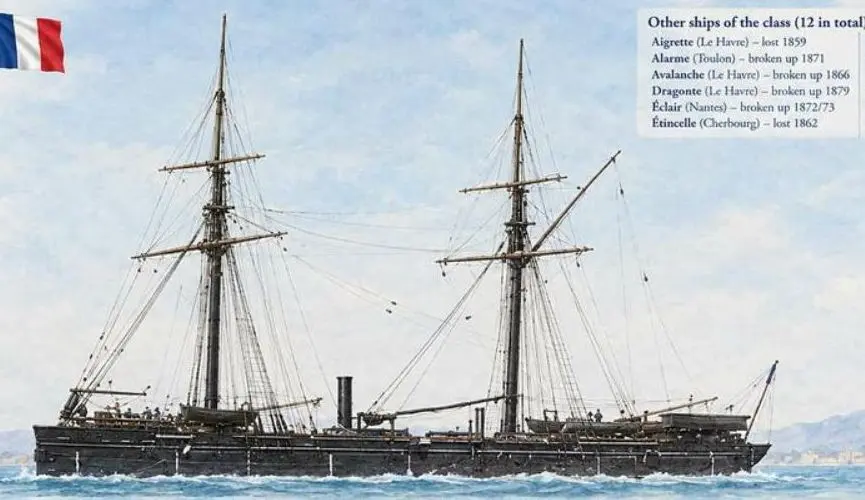 AigretteGunboat · Near Bar
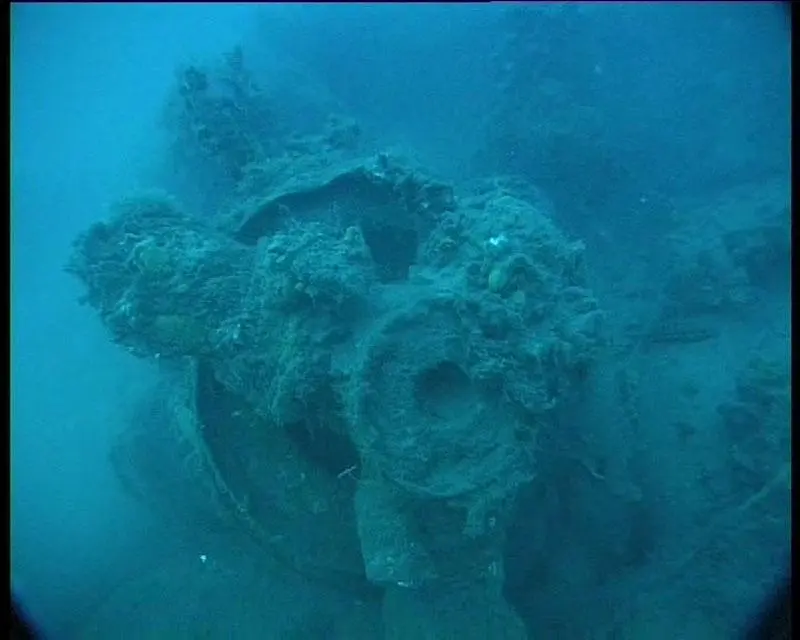 Junkers Ju 88Aircraft · Off Čanj