Off Cape Platamuni, near Budva, lies the wreck of Carlotta, a Scottish-built cargo vessel whose career took it from British coastal trade to Polish ownership and, finally, Italian service. Originally a steamship and later converted to diesel propulsion, it struck a naval mine on 19 June 1942 while travelling from Bar to Dubrovnik. Today, its substantial surviving structure makes it an important site for understanding merchant navigation during the Second…
Cargo vessel / Cape Platamuni
Carlotta
Off Cape Platamuni, near Budva, lies the wreck of Carlotta, a Scottish-built cargo vessel whose career took it from British coastal trade to Polish ownership and,…
From the collection
Closer to the evidence.
The research narrative
A deeper reading.
Motor Vessel Carlotta
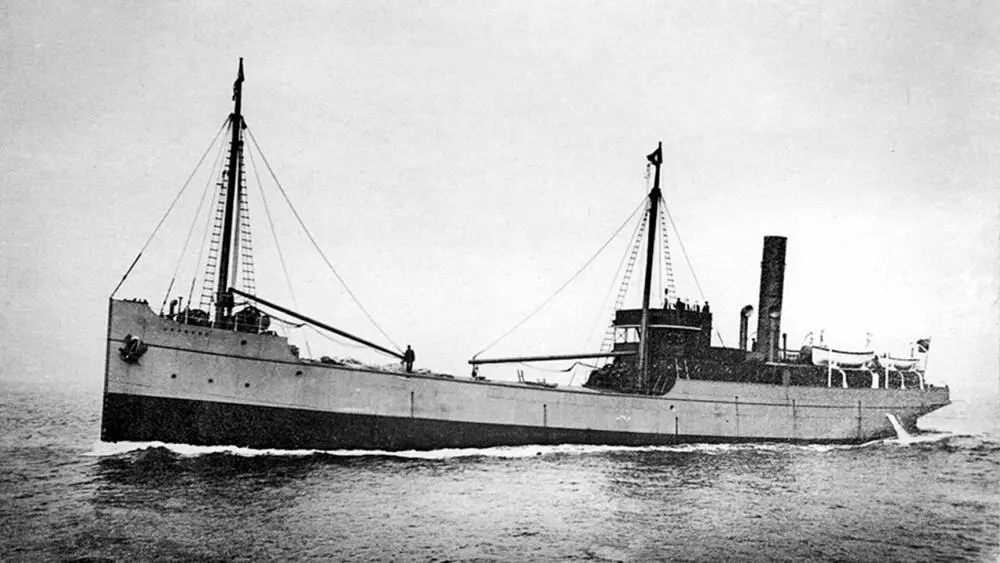
Off Cape Platamuni, near Budva, lies the wreck of Carlotta, a Scottish-built cargo vessel whose career took it from British coastal trade to Polish ownership and, finally, Italian service. Originally a steamship and later converted to diesel propulsion, it struck a naval mine on 19 June 1942 while travelling from Bar to Dubrovnik. Today, its substantial surviving structure makes it an important site for understanding merchant navigation during the Second World War.
Built as Ardgour
The vessel was built by George Brown & Company at Greenock, Scotland, for Ard Coasters Ltd., associated with the shipping firm Lang & Fulton. Launched on 12 February 1914, it entered service under the name Ardgour.
Approximately 60.7 metres long and 8.9 metres across the beam, the ship was designed for coastal cargo transport. Its original machinery comprised a triple-expansion steam engine manufactured by Ross & Duncan of Glasgow.
Ships of this type, commonly called coasters, carried goods between regional ports. Ardgour belonged to this practical working fleet rather than to the larger passenger liners or ocean-going freighters more commonly associated with the period.
Names and changing owners
In 1919, the vessel passed to P. MacCallum & Sons, retaining its original name. Following another sale, it was renamed Yorkdale in 1923 and subsequently operated under several British owners.
In 1930, the ship entered Polish ownership and became Kopernik, the Polish name for the astronomer Nicolaus Copernicus. It was associated with Polryz, a company involved in the rice trade, although published accounts indicate that it spent part of this period laid up rather than actively trading.
Italian shipowner Onofrio Jacomino acquired the vessel in 1934 and renamed it Carlotta. Three years later, its steam machinery was replaced with motor propulsion. Although often described today as “SS Carlotta,” it was therefore a motor vessel at the time of its loss.
War on the Adriatic
By 1942, Carlotta was operating in a coastline transformed by war. Following the Axis invasion of Yugoslavia in 1941, Italian forces controlled extensive areas of the eastern Adriatic, and coastal shipping supported the movement of goods and supplies between occupied ports.
Naval mines made these journeys especially hazardous. Carlotta’s loss forms part of a wider history of merchant vessels destroyed around the Montenegrin coast, where underwater remains preserve evidence of both commercial navigation and wartime disruption.
The final voyage
On 19 June 1942, Carlotta was sailing from Antivari—present-day Bar—to Ragusa, now Dubrovnik. Near Cape Platamuni, it struck a naval mine and sank in deep water.
The supplied discovery report, citing an Italian naval publication on wartime merchant losses, places the explosion at approximately 08:45 and the sinking at 08:58: just thirteen minutes later. It gives the position as approximately one nautical mile from the cape.
The available material does not establish the number of people aboard or whether anyone died. The crew’s fate should therefore remain explicitly unconfirmed rather than being reconstructed from the speed of the sinking.
Rediscovered in 2009
The wreck was investigated and publicly reported in 2009, 67 years after the sinking. Divers from the Marina Diving Centre in Herceg Novi, joined by members of Belgrade’s Alfa Diving Team, examined a position supplied by contacts in Budva.
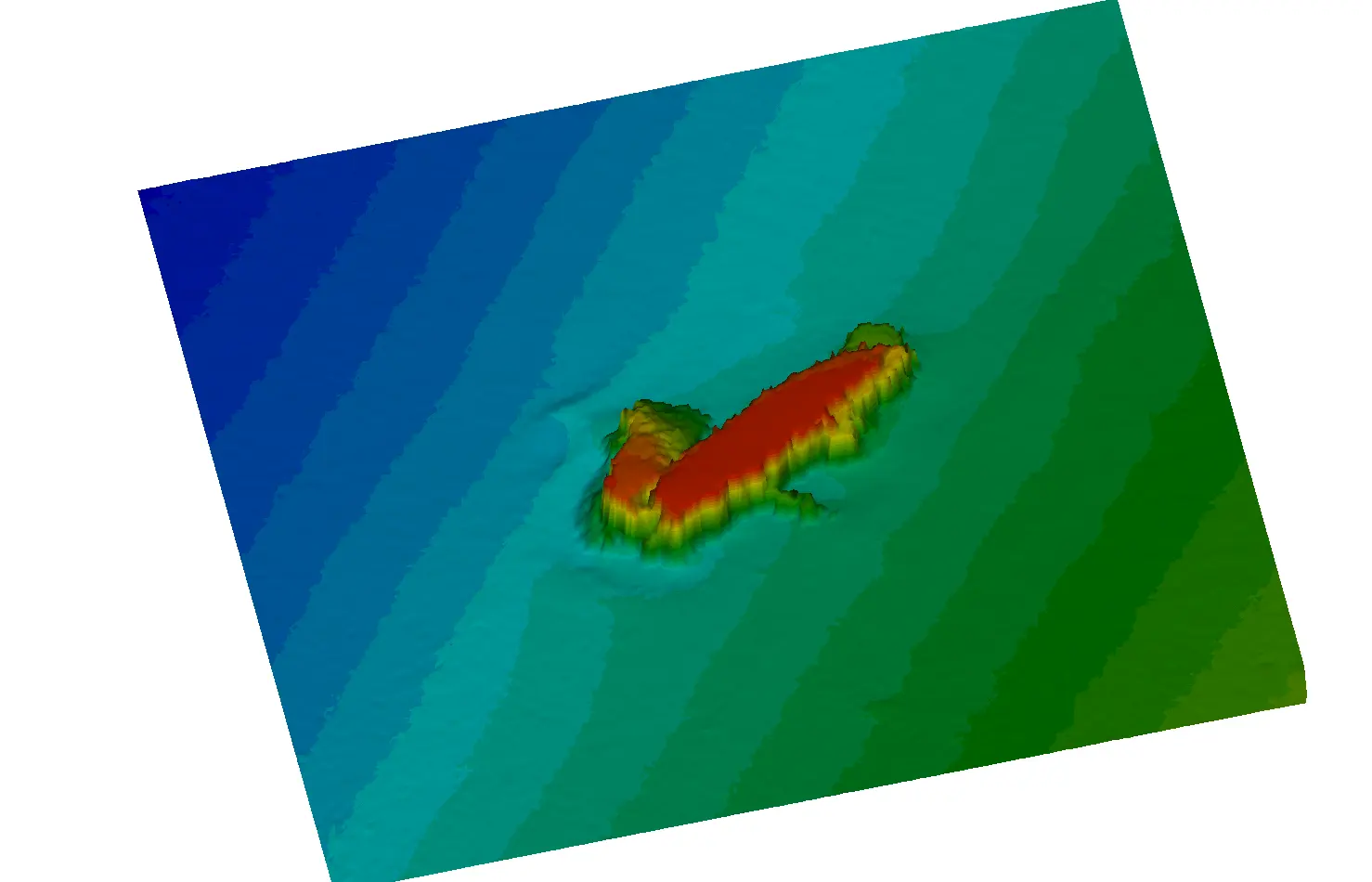
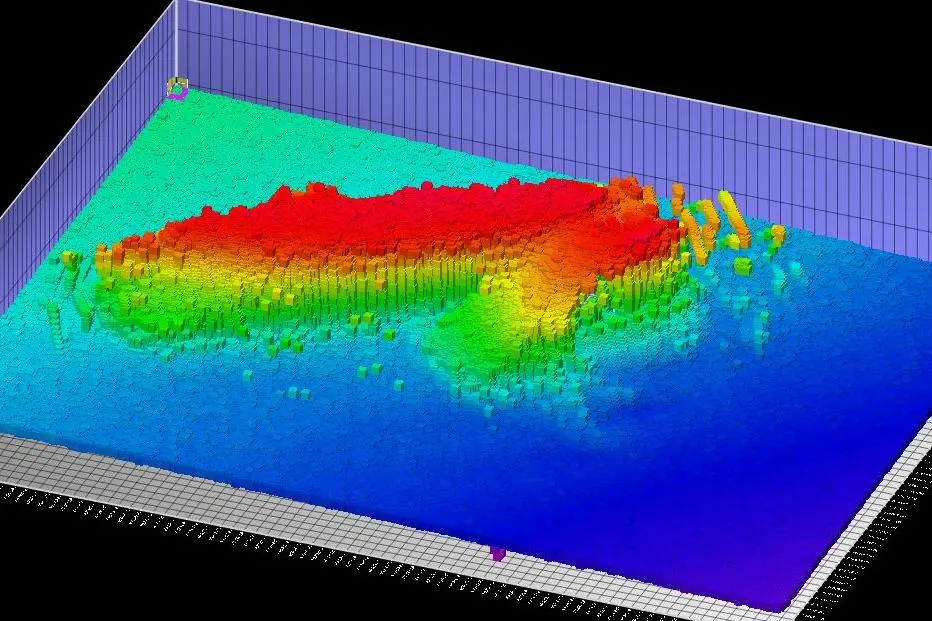
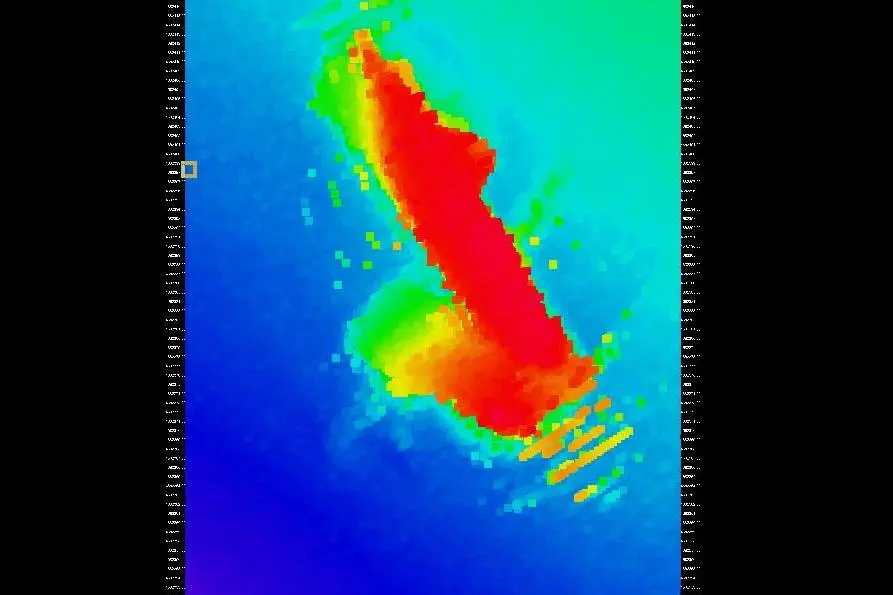
Dragan Gačević described the vessel lying on its port side at approximately 72 metres, with its bow directed toward Bar. The divers observed a large opening associated with the mine explosion, while part of the hull was embedded in sediment.
Strong currents and limited working time restricted the initial investigation. The discovery nevertheless provided a starting point for documenting the wreck and connecting its physical remains with the vessel’s recorded history.
The wreck today
Published descriptions place Carlotta at approximately 71–72 metres and characterize its surviving structure as comparatively well preserved. Fishing nets cover parts of the wreck, and marine growth and numerous small fish have been reported around it.
The hull’s position and explosion damage make the site valuable for archaeological interpretation. However, the descriptions available here are not a current condition survey; the extent of corrosion, collapse and fishing-gear accumulation should be assessed through renewed documentation.
Its conversion from steam to motor propulsion offers another research opportunity. Recording machinery foundations and surviving installations could help explain how an early twentieth-century coaster was adapted for continued commercial use.
Diving Carlotta
At more than 70 metres, Carlotta lies far beyond ordinary recreational diving limits. Local descriptions also report variable visibility, extensive fishing nets and potentially strong currents, making the site particularly demanding.
Any visit should be undertaken only by suitably qualified technical divers, with appropriate breathing gases, redundant equipment, decompression planning and surface support. The opening created by the explosion should not be interpreted as a safe route into the vessel.
Visitors should observe without touching, moving or removing objects. Anchoring on the wreck and contact with fragile structures should be avoided, both for diver safety and to preserve archaeological evidence.
Research and preservation
Carlotta connects British shipbuilding, European coastal commerce, Polish maritime enterprise and Italian wartime navigation. Its successive names and owners show how a working vessel could cross national boundaries while remaining in service for almost three decades.
Future research should combine underwater recording with ship registers, machinery-conversion records and the original Italian loss report. Priorities include confirming the crew’s fate, identifying the machinery installed in 1937 and establishing a reliable baseline for the wreck’s condition.
Digital documentation would also allow the wider public to explore this deep-water site without diving. A carefully researched 3D presentation could reveal its construction, mine damage and place within Montenegro’s underwater cultural landscape.
Modern investigation reported: 2009
Principal diving hazards: Depth, currents and fishing nets.
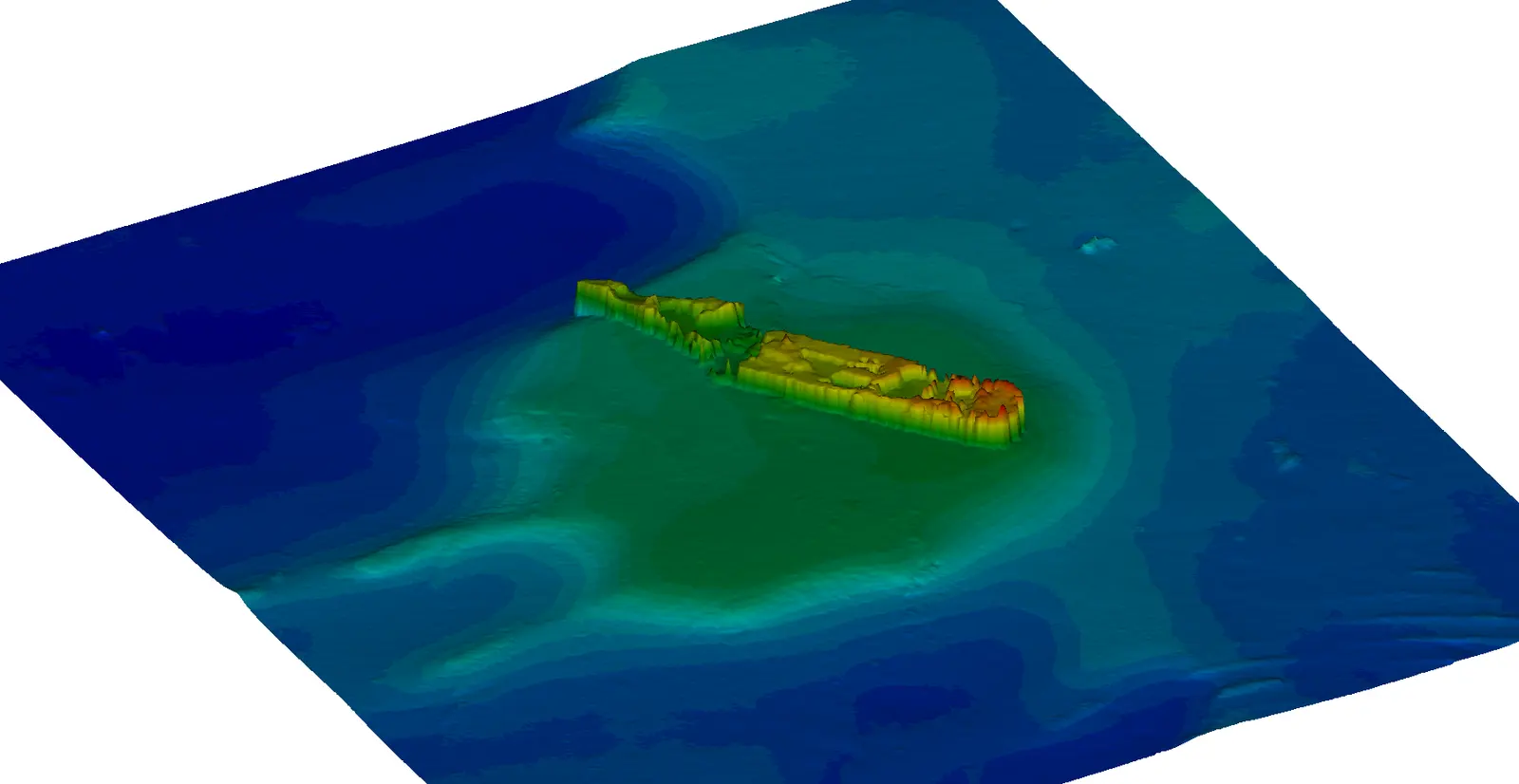 RumijaRoyal yacht · Port of Bar
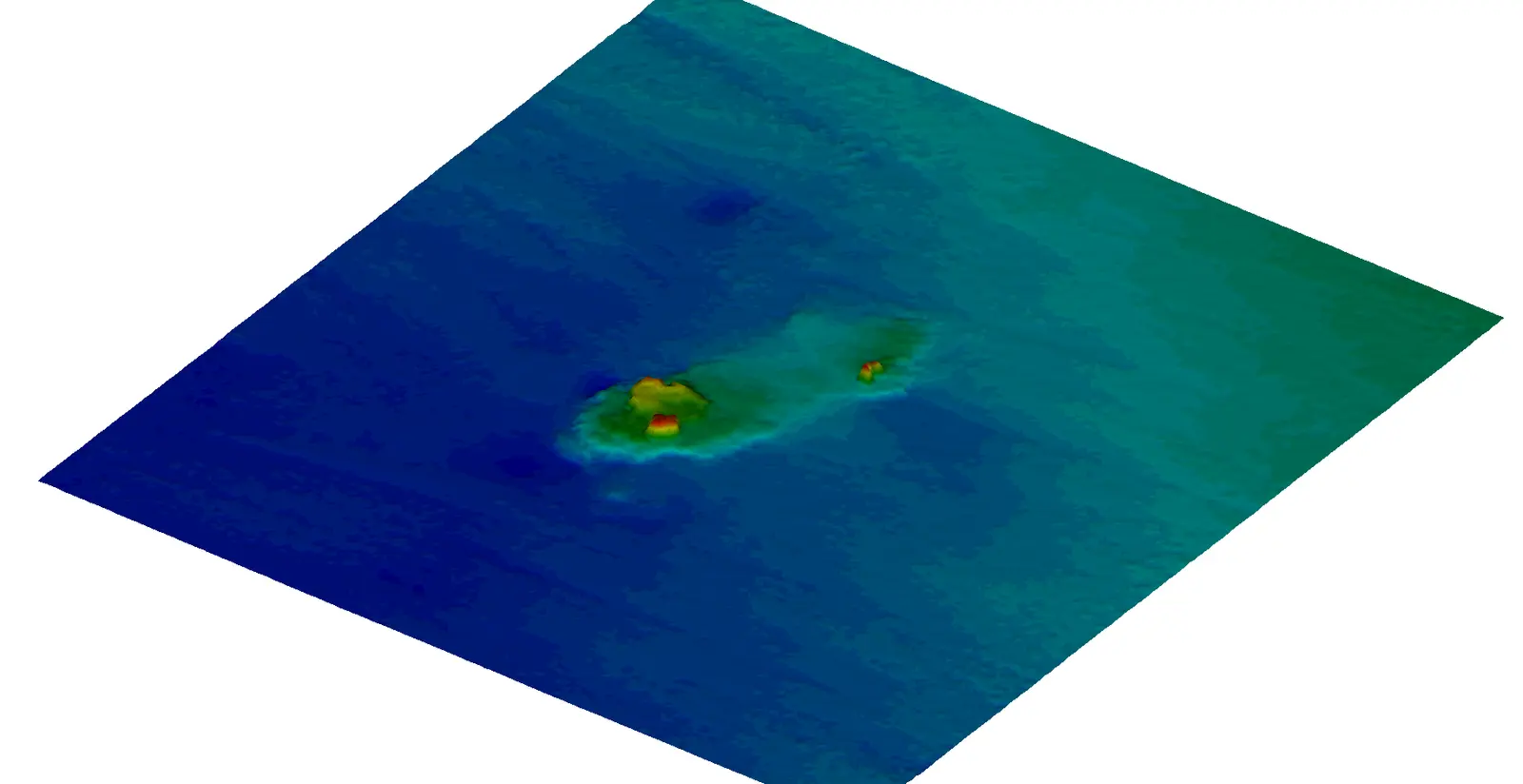 LitorioMotor sailer · Near Budva
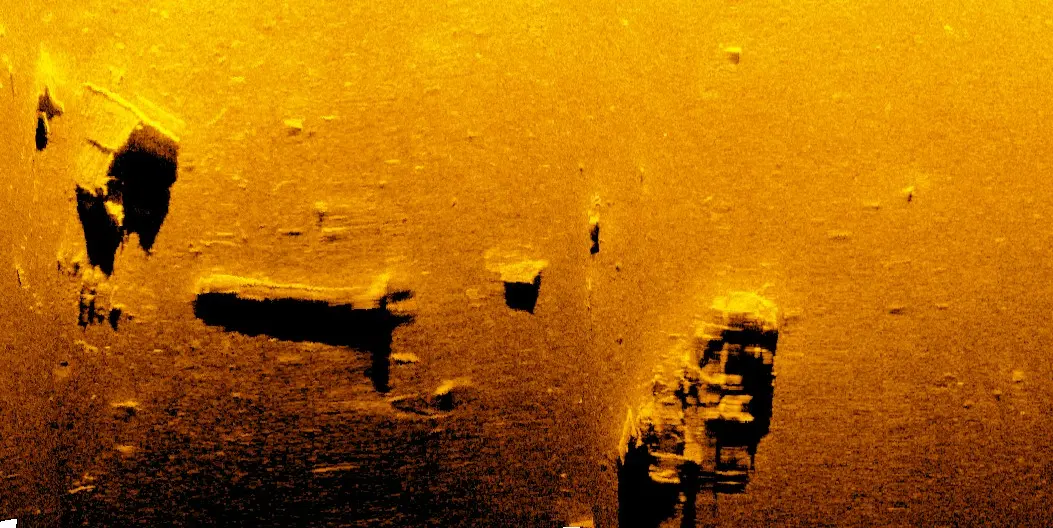 CetinjeSteamship · Tivat Bay
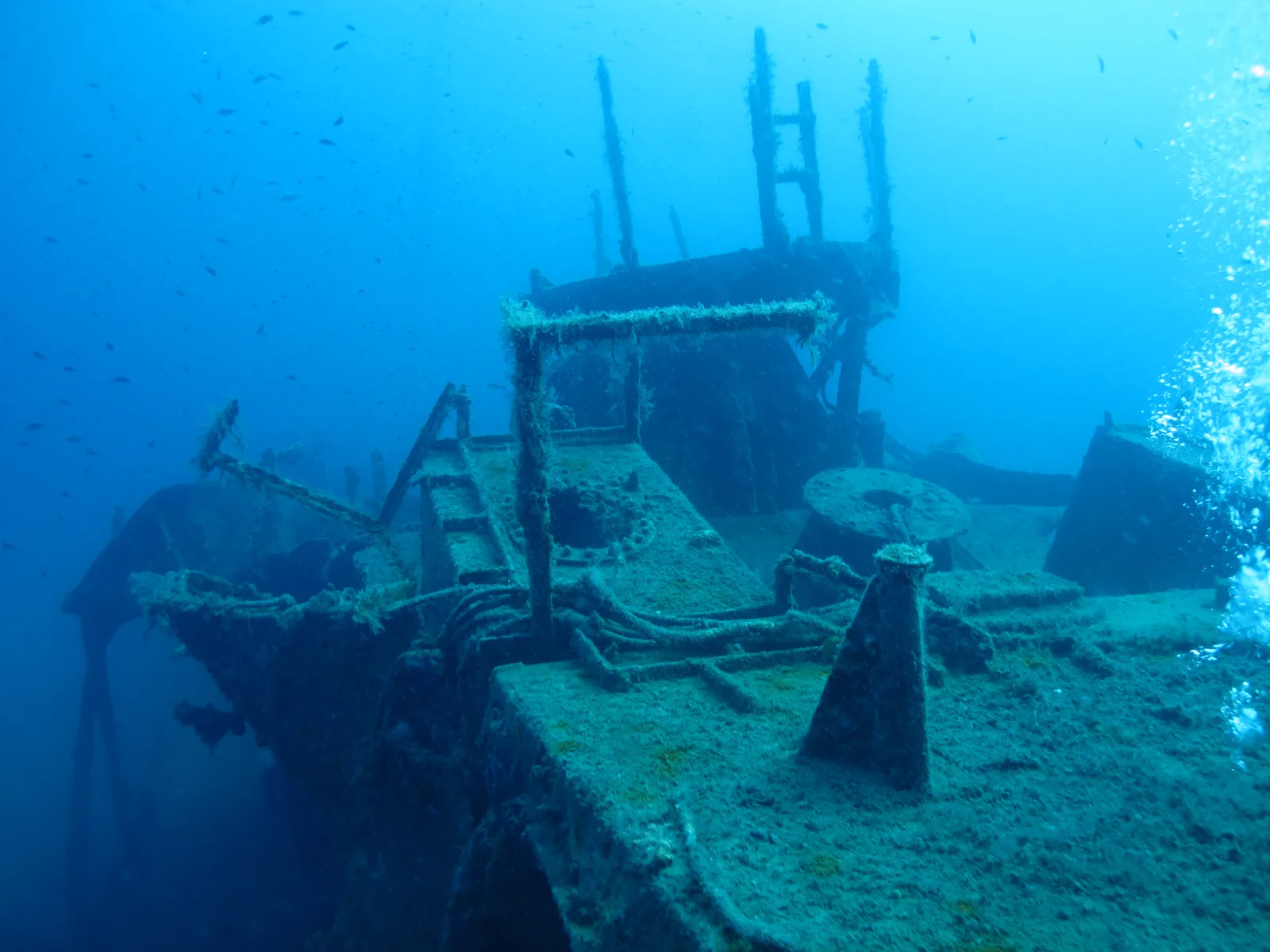 Patrol Boat PBR-512Vessel · Žanjice Bay