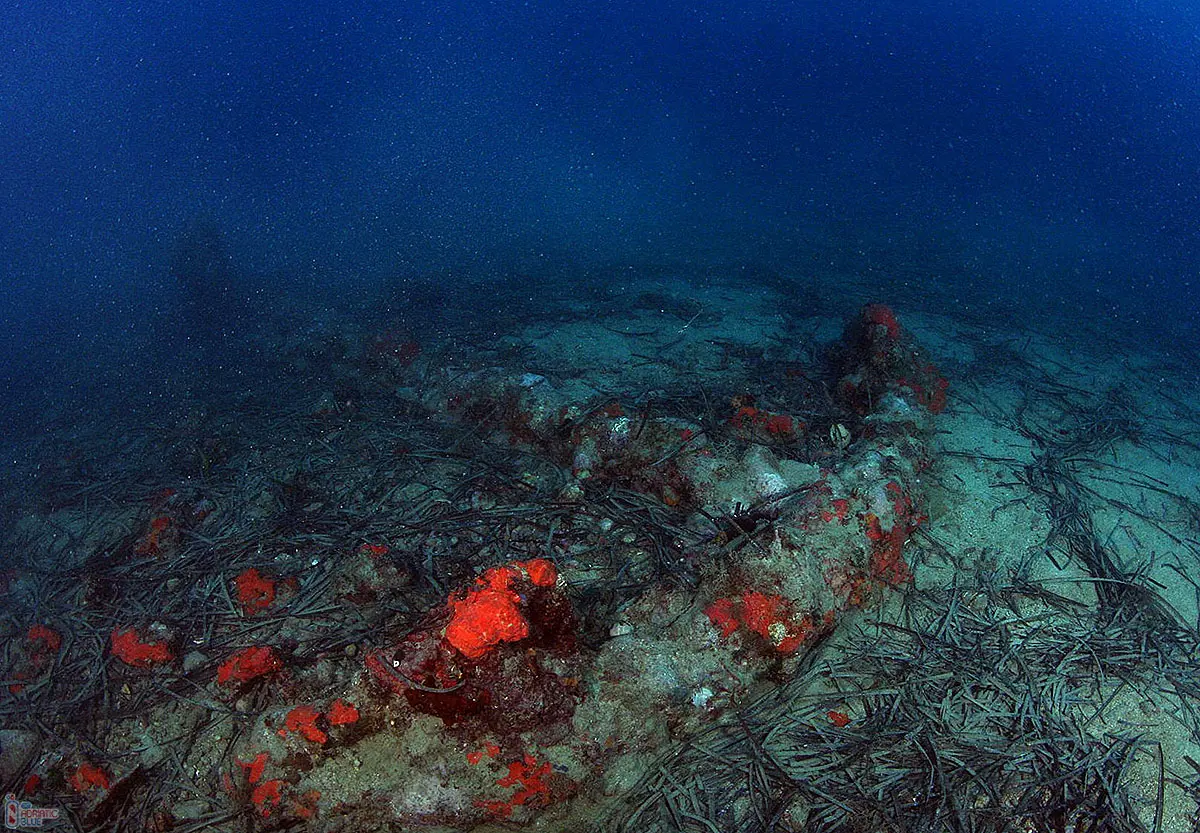
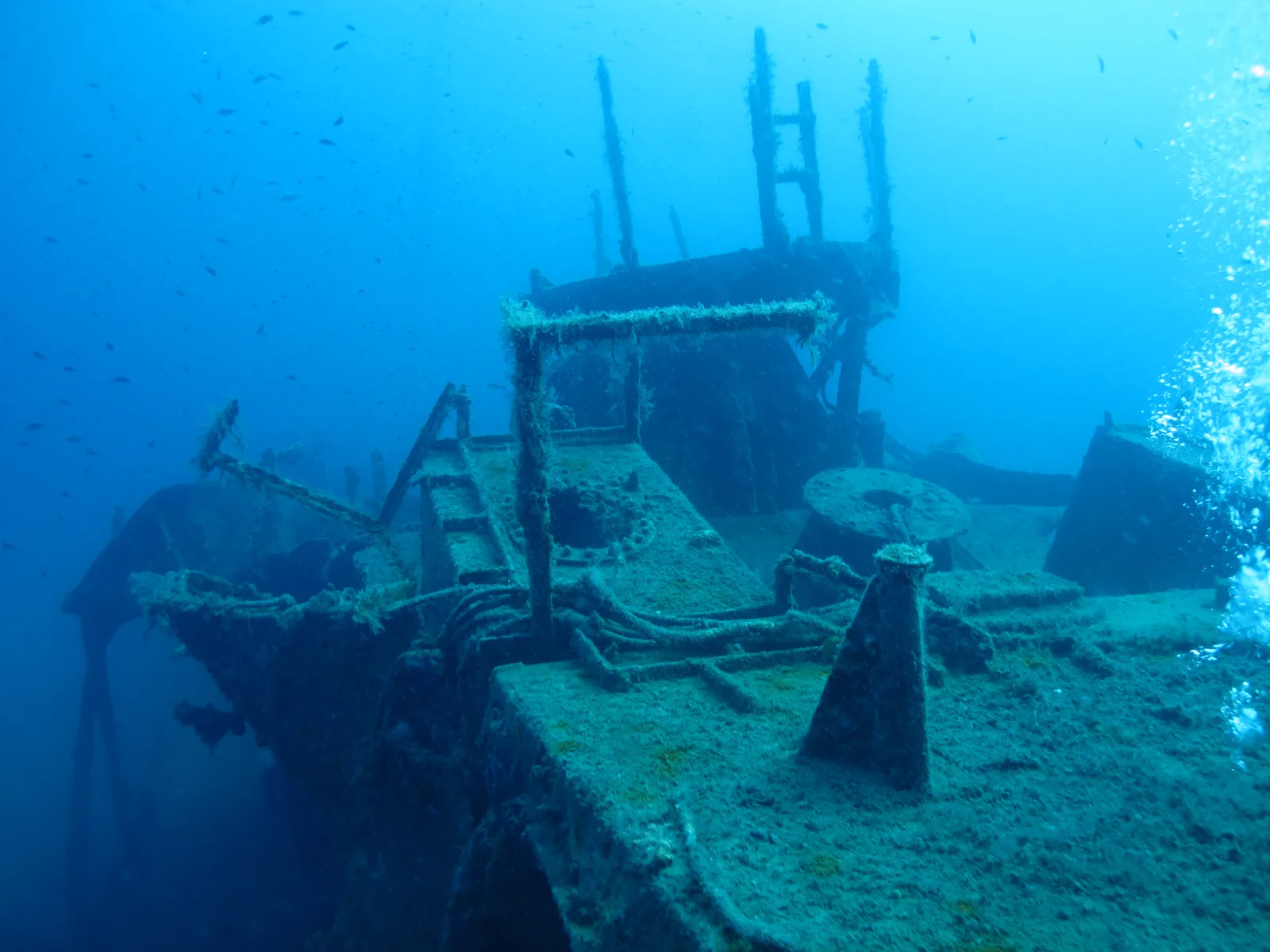
Off Cape Kabala in the Bay of Kotor lies the wreck of a sixteenth-century vessel whose cargo brings together Ottoman ceramics, Mediterranean tableware and shipboard artillery. Discovered in 1995, the site offers a glimpse of an Adriatic world in which merchants continued to trade across political boundaries even as the Venetian Republic and the Ottoman Empire competed for power.
Shipwreck / Cape Kabala
Cape Kabala wreck
Off Cape Kabala in the Bay of Kotor lies the wreck of a sixteenth-century vessel whose cargo brings together Ottoman ceramics, Mediterranean tableware and shipboard…
From the collection
Closer to the evidence.
The research narrative
A deeper reading.
The Cape Kabala Shipwreck
Off Cape Kabala in the Bay of Kotor lies the wreck of a sixteenth-century vessel whose cargo brings together Ottoman ceramics, Mediterranean tableware and shipboard artillery. Discovered in 1995, the site offers a glimpse of an Adriatic world in which merchants continued to trade across political boundaries even as the Venetian Republic and the Ottoman Empire competed for power.
A ship without a name
The wreck rests at approximately 29–34 metres and takes its modern name from the nearby cape; the vessel’s original name remains unknown. A rescue investigation in 1996 documented surviving timbers, anchors, weapons and an assemblage of ceramics, glass, metal vessels and everyday equipment.
The pottery provides the principal evidence for dating the loss. Comparisons between the recovered İznik wares and other dated assemblages suggest that the vessel sank during the later sixteenth century, possibly its final quarter, although no precise year has been established.
Its identity, ownership, departure port and destination also remain uncertain. These unanswered questions make Kabala an important site for further research rather than a shipwreck whose complete history can already be told.
Between Venice and the Ottomans
In the sixteenth century, the Bay of Kotor occupied a strategically important frontier. Kotor was under Venetian rule, while Ottoman-controlled territory extended around parts of the surrounding coastline and hinterland, including Herceg Novi. The bay was therefore both a contested maritime space and a meeting point for neighbouring communities.
War did not eliminate commerce. Merchants, intermediaries and coastal populations maintained trading relationships across imperial boundaries, moving goods between Ottoman production centres, Mediterranean ports and European markets.
The Kabala assemblage belongs within this interconnected world. Ottoman ceramics aboard an armed vessel illustrate how commercial exchange and the need for protection could coexist on the same voyage; they do not, by themselves, establish the ship’s nationality or prove that it was lost in battle.
Cargo from İznik
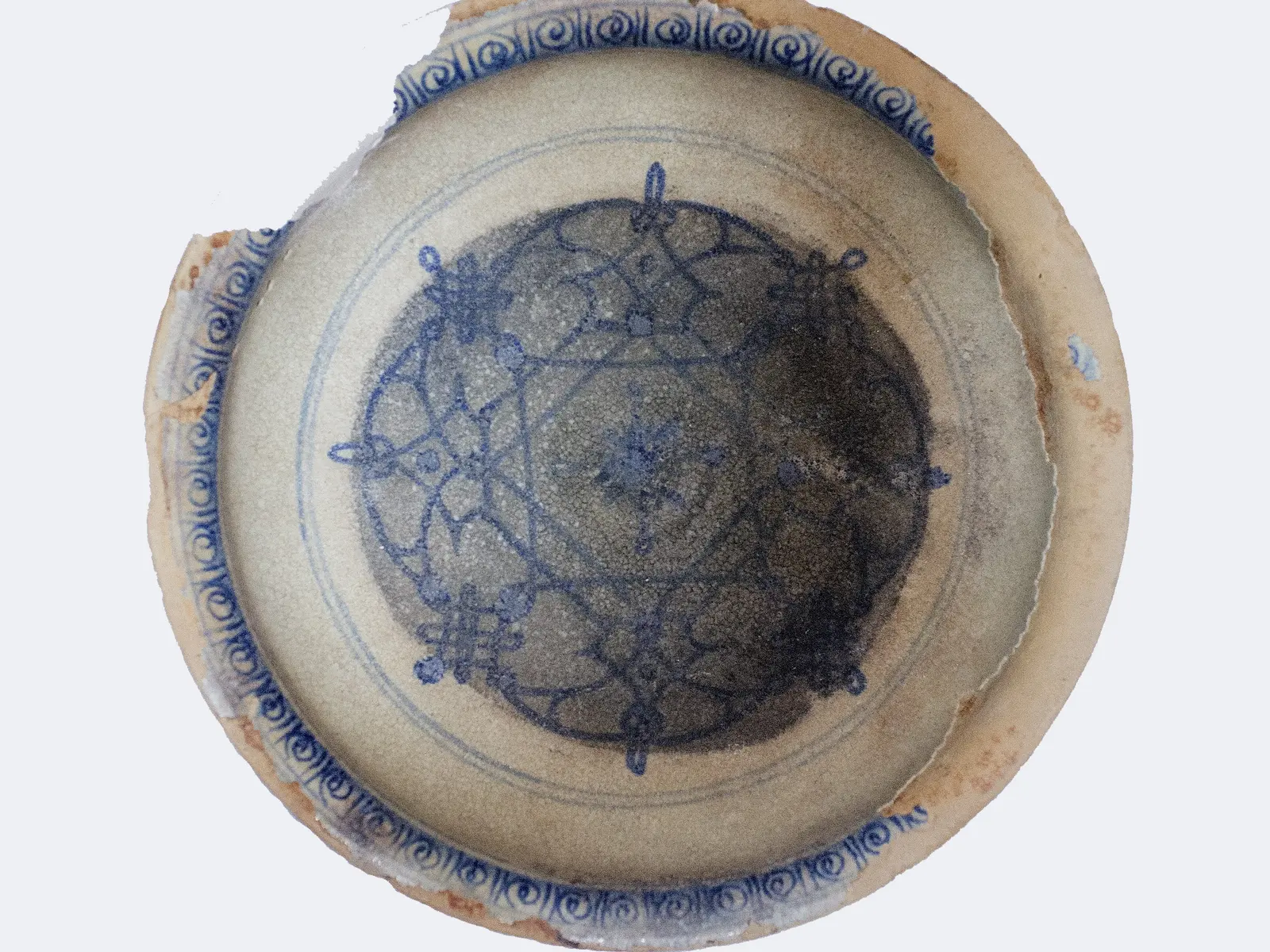
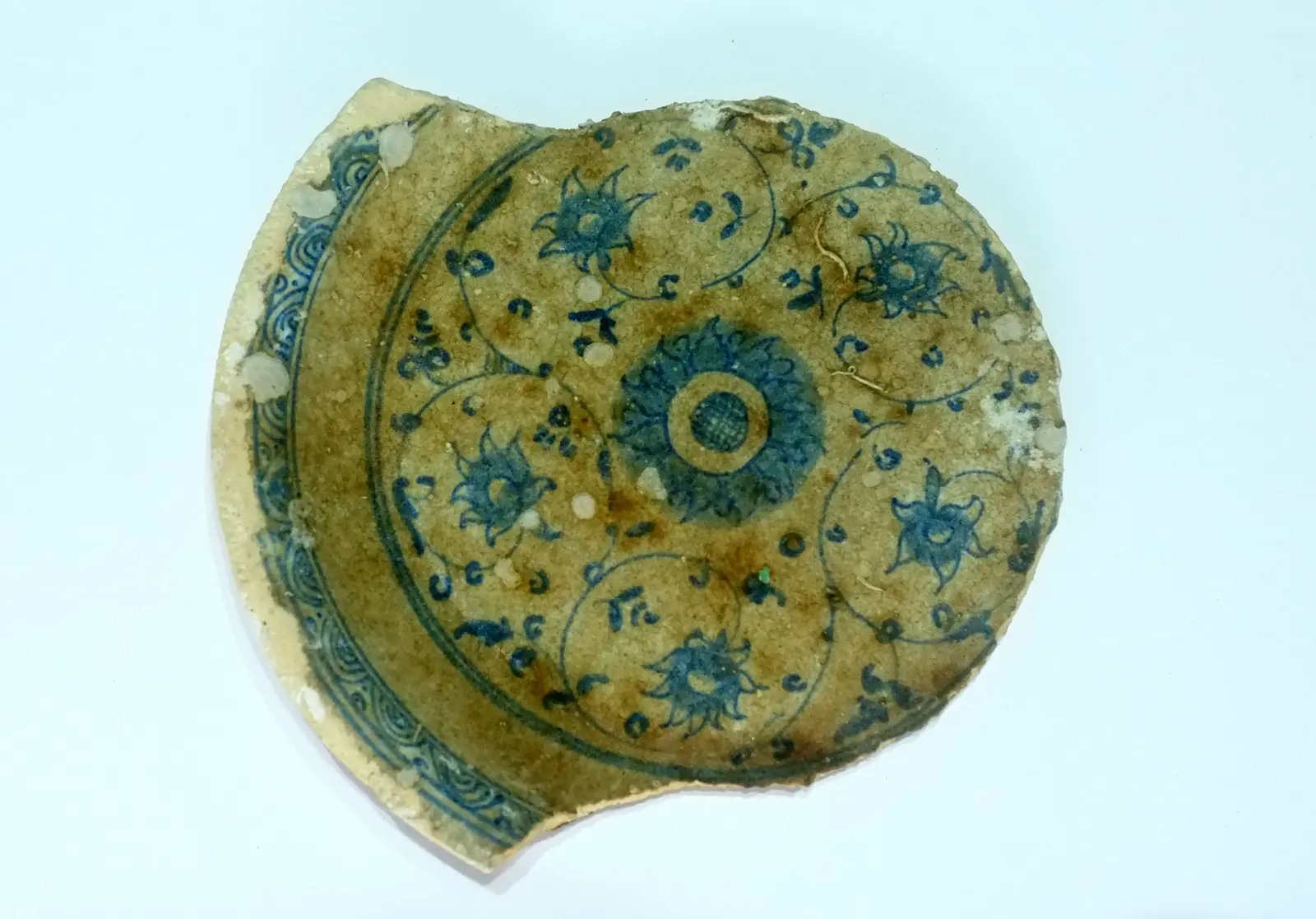
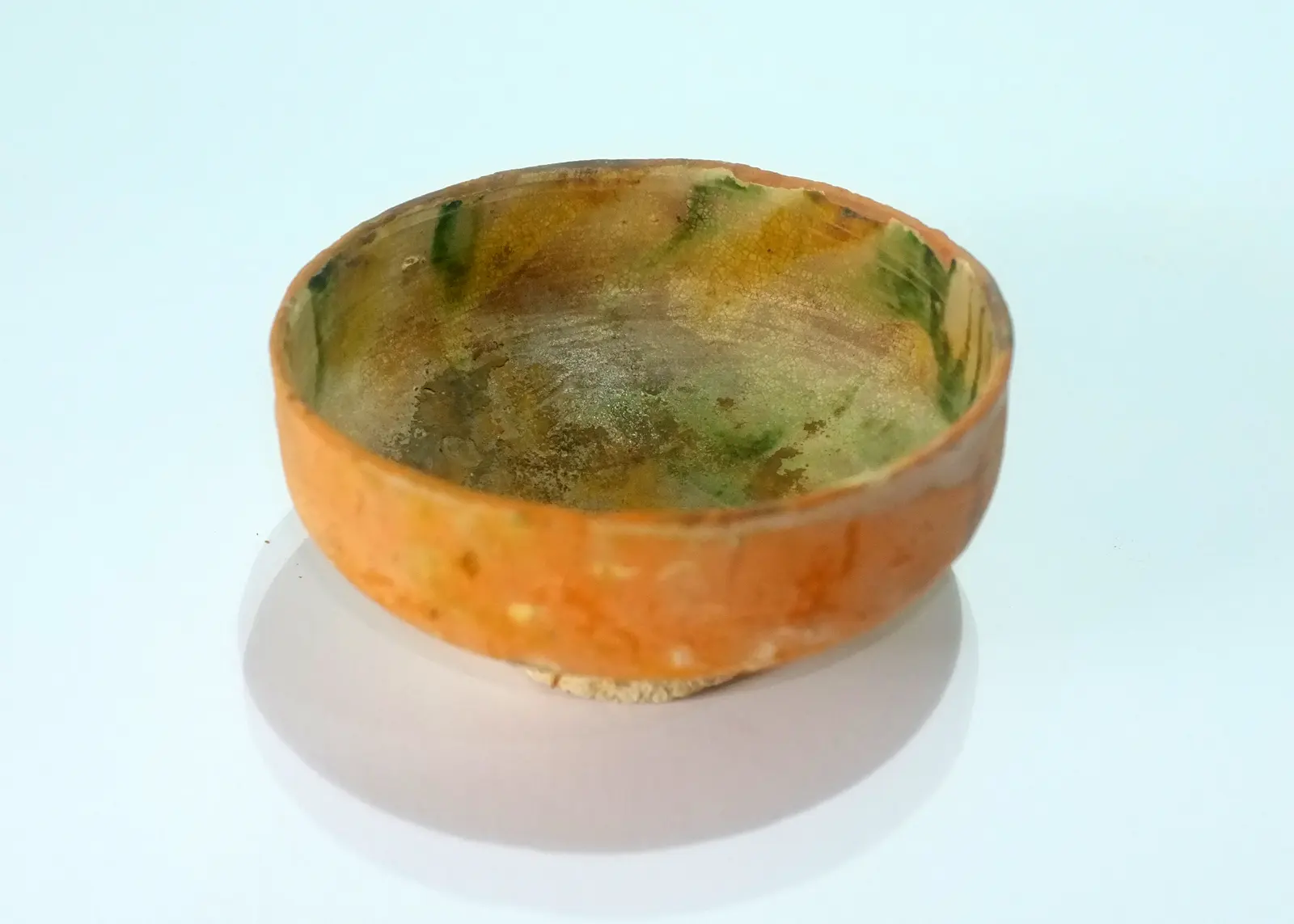
Among the most distinctive finds are bowls, dishes and plates produced at İznik in northwestern Anatolia, an important centre of Ottoman ceramic manufacture. The excavation report describes groups of these vessels as having been packed in wooden containers, supporting their interpretation as commercial cargo.
İznik pottery is often mistaken for porcelain. It is more accurately described as fritware, a quartz-rich ceramic body covered with glaze and decorated with painted designs; blue-and-white examples form an important part of the Kabala assemblage.
Comparable cargoes from the Sveti Pavao wreck near Mljet show that İznik vessels travelled by sea into Adriatic markets. Together, these discoveries demonstrate connections between Ottoman workshops and wider Mediterranean distribution networks, although Kabala’s individual route cannot yet be reconstructed.
Life aboard the vessel
The finds also reveal aspects of everyday life at sea. Glazed earthenware and majolica tableware, copper cauldrons, stoneware containers, iron tools and millstones point to food preparation, provisioning and practical work aboard the ship.
Pewter plates bearing makers’ marks, a bronze drinking vessel with heraldic decoration and glass attributed to Venetian manufacture add another dimension to the assemblage. Some may have belonged to passengers or senior members of the crew, but their function as personal possessions, shipboard equipment or merchandise requires further examination.
These objects remind visitors that a merchant vessel was more than a means of transport. It was also a workplace and a temporary household, bringing together people, provisions and goods from different cultural backgrounds.
Armed for the voyage
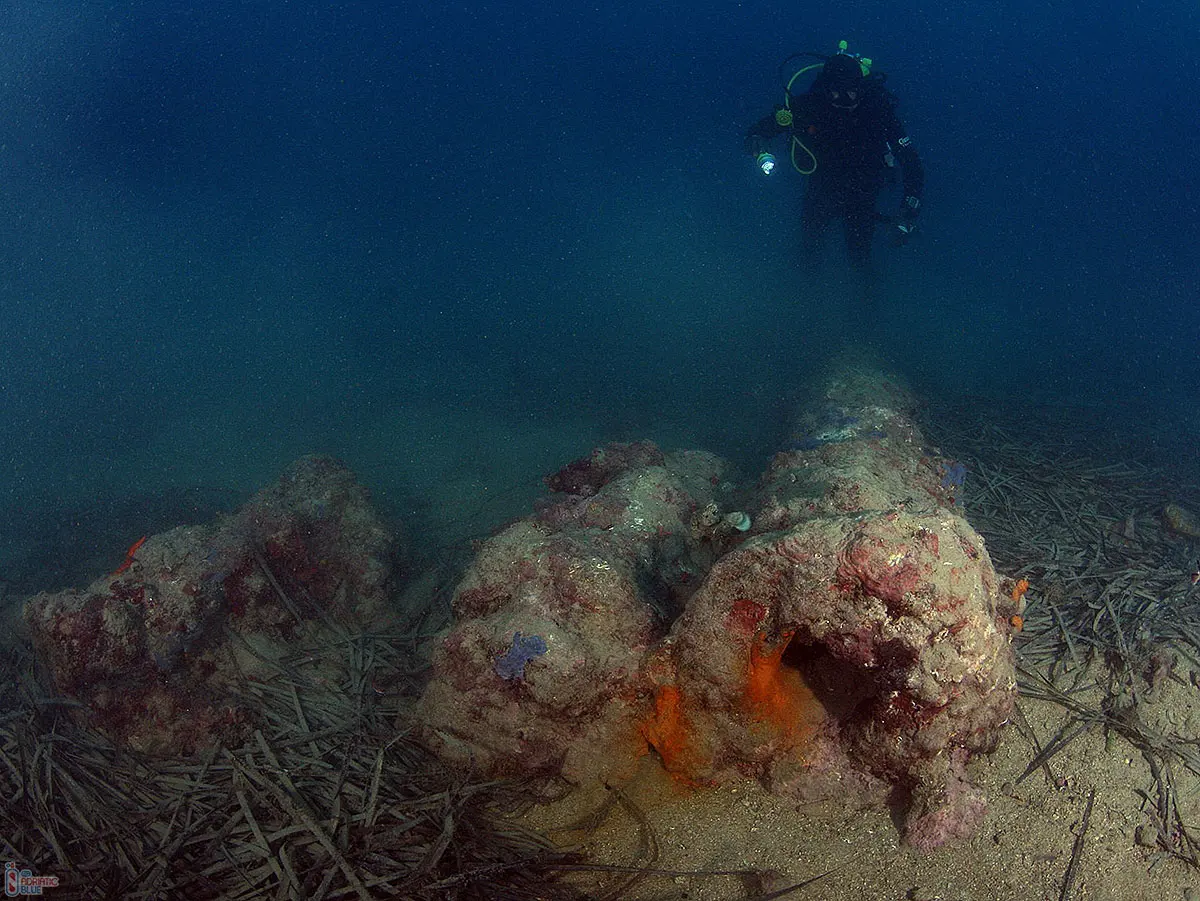
The investigation recorded four wrought-iron guns, associated powder chambers and stone cannonballs. Their construction, including reinforcing hoops, preserves evidence of early modern artillery technology.
Weapons aboard a trading vessel were not unusual. Merchant ships could carry artillery to deter piracy or defend themselves in contested waters, so the presence of guns does not automatically identify Kabala as a naval warship.
The published report does not describe a Venetian Lion of Saint Mark on the recovered gun. However, an unreported or absent emblem is insufficient to establish private ownership: the vessel’s affiliation remains an open question pending renewed examination of the ordnance and other evidence.
What kind of ship?
The original excavation report interpreted the vessel as a galleon. Later research into Mediterranean wrecks suggests that some ships previously given this label may instead have been broad-beamed sailing merchantmen commonly described as “round ships.” Neither interpretation has yet been conclusively demonstrated for Kabala.
Reported identification of surviving timber as Pinus heldreichii, also known as Bosnian pine, suggests a possible Balkan source for some construction material. Nevertheless, timber species alone cannot identify a shipyard, establish nationality or determine where the vessel was built.
A more complete study of the hull’s framing, planking and fastening methods would be needed to understand the vessel’s construction and test the competing interpretations.
The wreck today
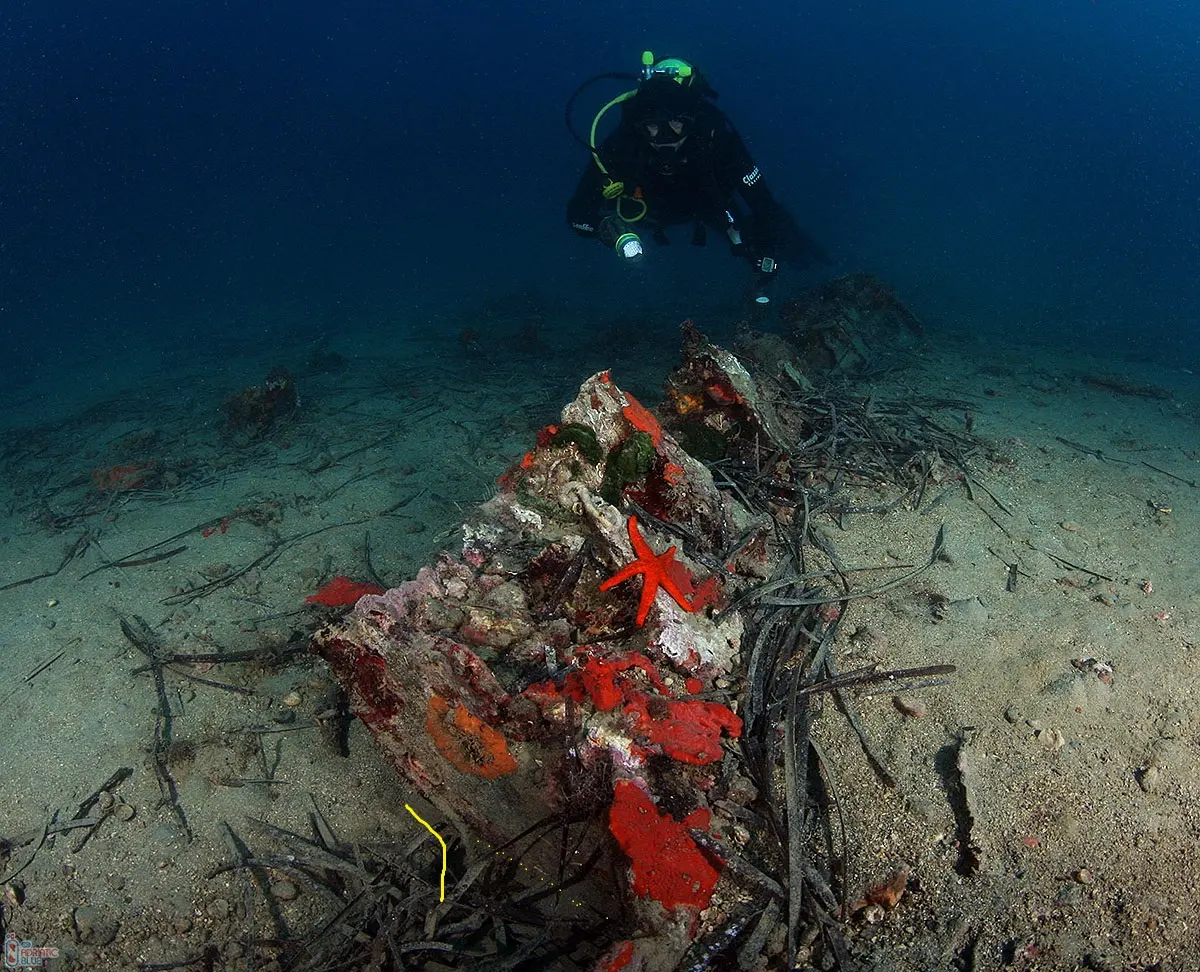
Kabala is a partly investigated archaeological site rather than a complete, readily recognizable ship. Wooden structural remains and surviving objects form a context that has been altered by sediment movement, biological activity, corrosion and unauthorized removal.
Looting had already affected the site before the 1996 rescue investigation. This disturbance, together with the limited excavation area, makes it difficult to reconstruct the original arrangement of the cargo or explain precisely how the vessel sank.
The spaces between objects matter as much as the objects themselves. An anchor, gun or ceramic vessel removed without documentation loses part of the evidence connecting it to the ship and its final voyage.
Visiting and protecting Kabala
Kabala is protected by national law and should be presented first as a sensitive archaeological site, not as an unrestricted wreck-diving attraction. Any proposed visit should be checked with the relevant heritage and maritime authorities and organized through appropriately qualified local professionals.
At the reported depth, diving requires suitable training and careful planning. Visitors should avoid touching the remains, disturbing sediment, entering fragile structures or removing objects.
Non-destructive recording offers a valuable way to share the site with a wider audience. A detailed seabed map and photogrammetric model could support research, monitoring and virtual interpretation while preserving the surviving archaeological context.
Nationality and ownership: Not established
Principal finds: İznik ceramics, glazed earthenware, glass, metal tableware, cooking equipment, tools, anchors and artillery
Cause of loss: Unknown
Present condition: Partly investigated and affected by natural deterioration and unauthorized disturbance
Heritage significance: Evidence of early modern maritime trade, shipboard life and armed navigation in the Venetian–Ottoman Adriatic.
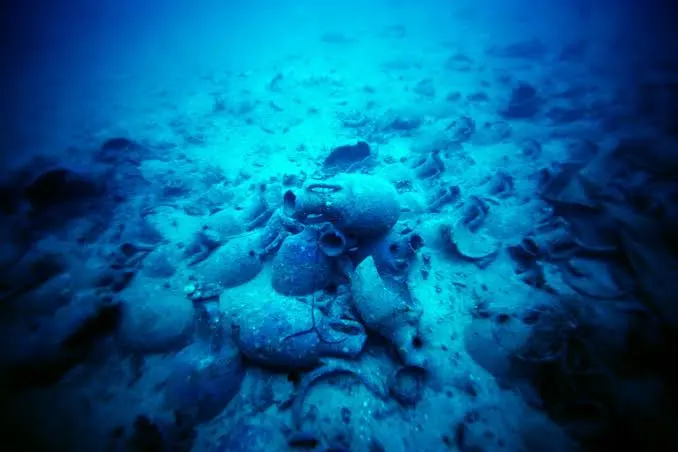 Ancient shipwrecksArchaeology · Montenegrin coast
 Unconfirmed wrecksShipwreck · Montenegrin coast
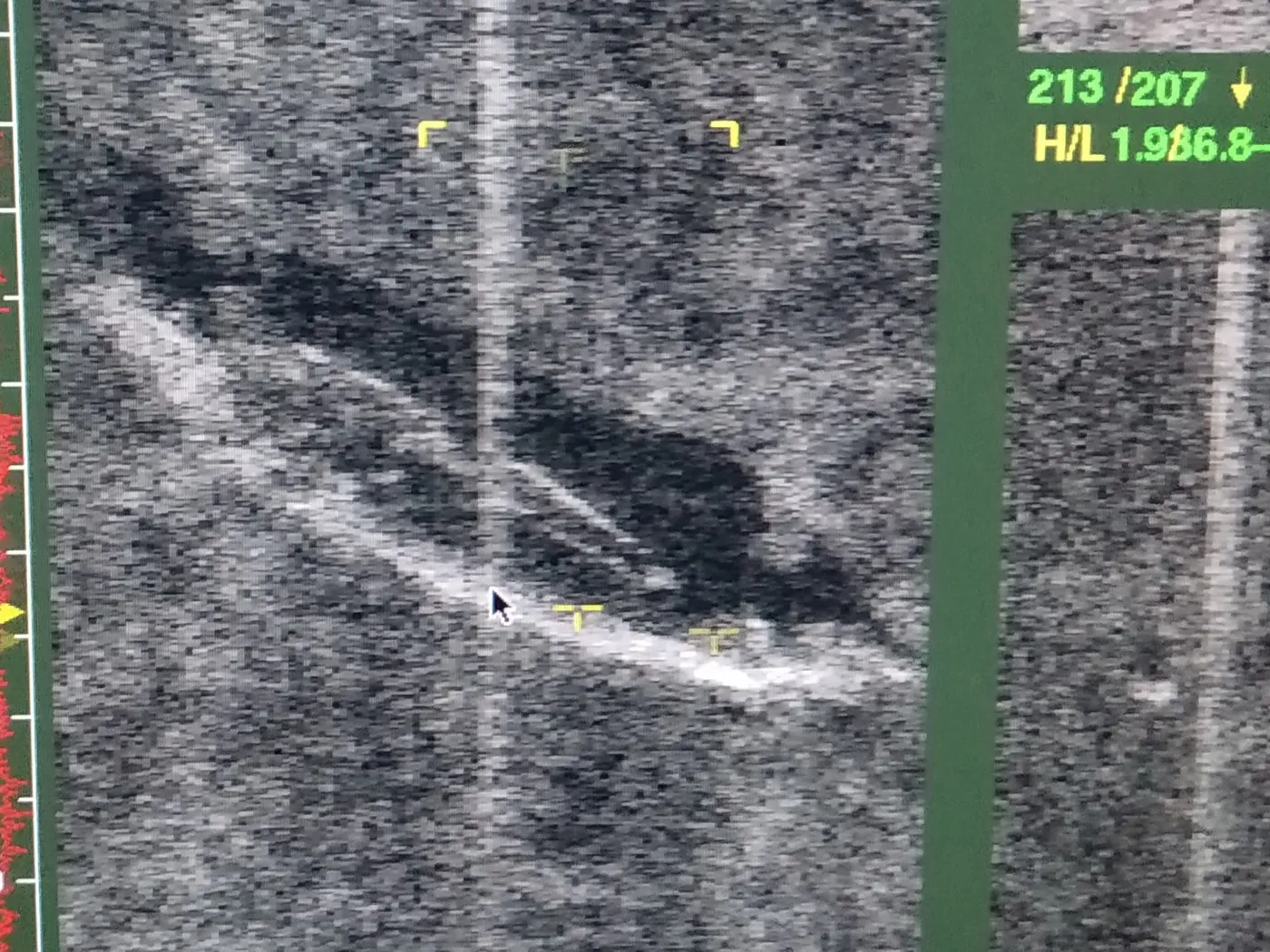 Unidentified sitesUnidentified · Montenegrin coast
 Patrol Boat PBR-512Vessel · Žanjice Bay