Off Cape Platamuni, near Budva, the wreck identified as Maria Pompei preserves the history of a merchant vessel that sailed under several names and flags before its loss during the Second World War. Shipping records identify it as an Italian cargo steamship sunk by a naval mine on 23 October 1941; the associated wreck site is reported at a depth of approximately 75 metres.
Steamship / Cape Platamuni
Maria Pompei
Off Cape Platamuni, near Budva, the wreck identified as Maria Pompei preserves the history of a merchant vessel that sailed under several names and flags before its…
From the collection
Closer to the evidence.
The research narrative
A deeper reading.
Steamship Maria Pompei
Off Cape Platamuni, near Budva, the wreck identified as Maria Pompei preserves the history of a merchant vessel that sailed under several names and flags before its loss during the Second World War. Shipping records identify it as an Italian cargo steamship sunk by a naval mine on 23 October 1941; the associated wreck site is reported at a depth of approximately 75 metres.
Built as Quickstep
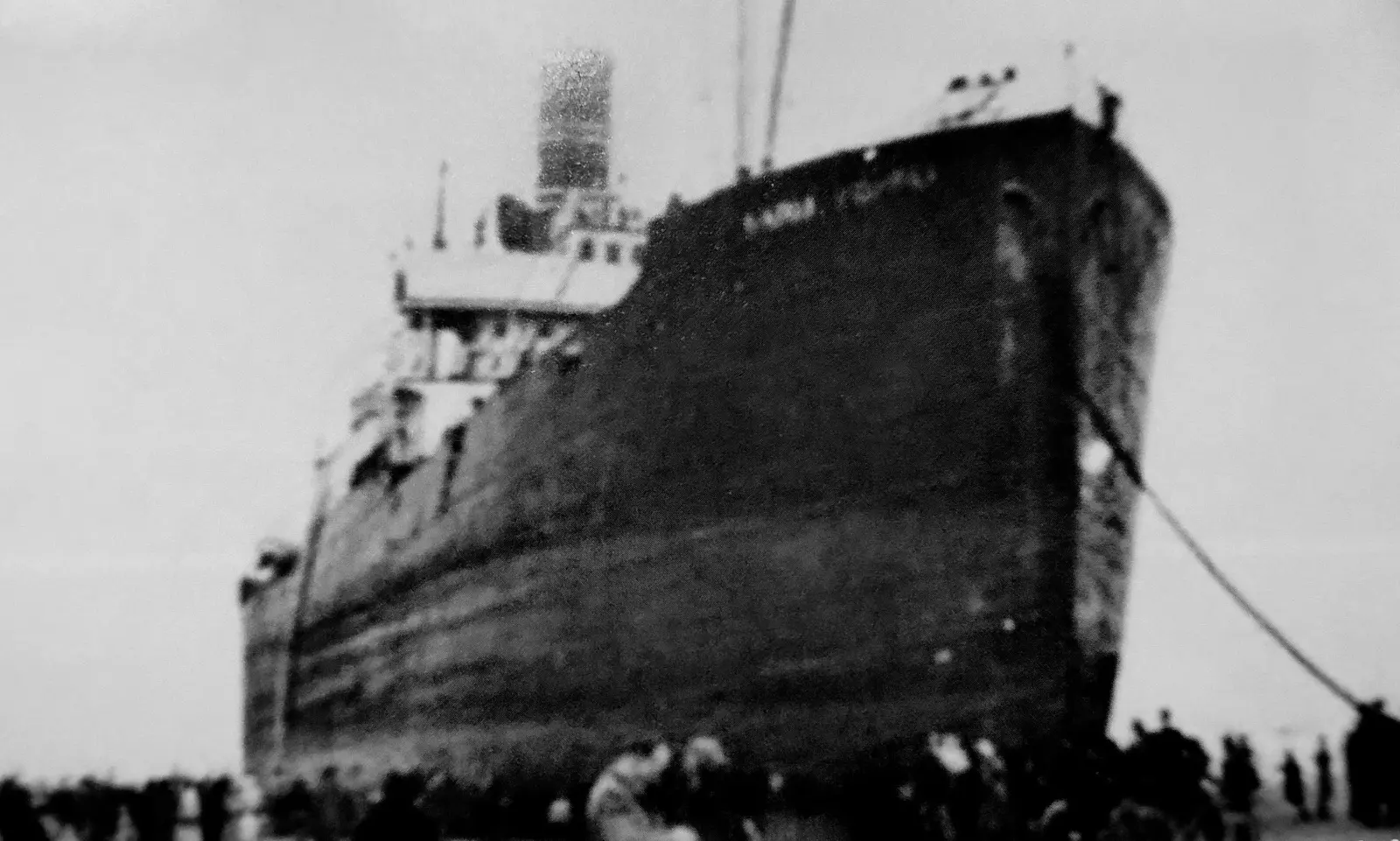
The vessel began its career in 1909 as Quickstep, a steel cargo steamship built by John Crown & Sons at Sunderland in northeastern England. Its original owner was the Newcastle-based Witherington & Everett shipping concern, and its shipyard number was 135.
Published particulars give dimensions of approximately 73 metres in length and 11 metres across the beam, with a gross registered tonnage of 1,407 tons. A three-cylinder triple-expansion steam engine, manufactured by North Eastern Marine Engineers of Sunderland, drove a single propeller and provided a reported speed of approximately 9.5 knots.
Names and changing ownership
After nearly two decades in British ownership, Quickstep passed to Belgian owners in 1927 and was renamed Most. It subsequently entered Italian ownership in 1932 as Alboran, before receiving the name Maria Pompei in 1935 under the ownership of G. Palomba.
These successive names provide a useful thread through the vessel’s history: Quickstep, Most, Alboran and finally Maria Pompei. The spelling Alboran should be used rather than Aboran, which appears in some later descriptions.
Wartime transport
The supplied historical account associates Maria Pompei with transport supporting Italian naval requirements along the Adriatic coast. However, the available vessel record classifies it as a merchant cargo ship, not a commissioned warship.
For the website, it is therefore appropriate to describe its reported military-related transport role without implying formal service as an Italian naval combat vessel. Its final cargo, route and any requisition arrangements remain questions for further archival research.
The final voyage
On 23 October 1941, Maria Pompei struck a naval mine and sank off Cape Platamuni. The supplied loss record places the incident approximately two nautical miles northwest of the cape, although this historical position should not be treated as a modern survey coordinate.
The same database attributes the mine to HMS Urge, but this attribution requires comparison with British submarine patrol reports and minelaying records before being presented as settled fact. The number of people aboard and the casualty total are not established by the supplied vessel entry.
The wreck today
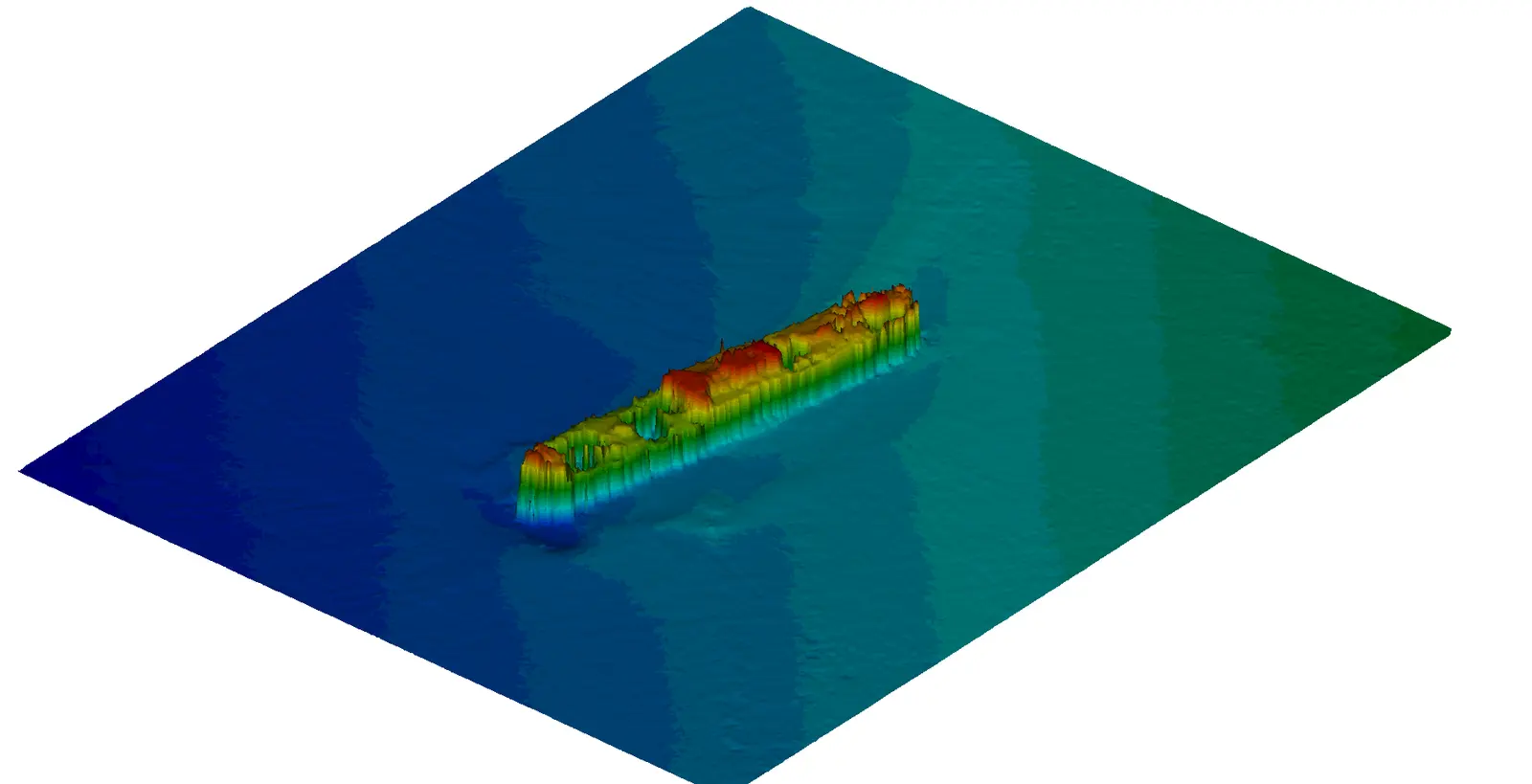
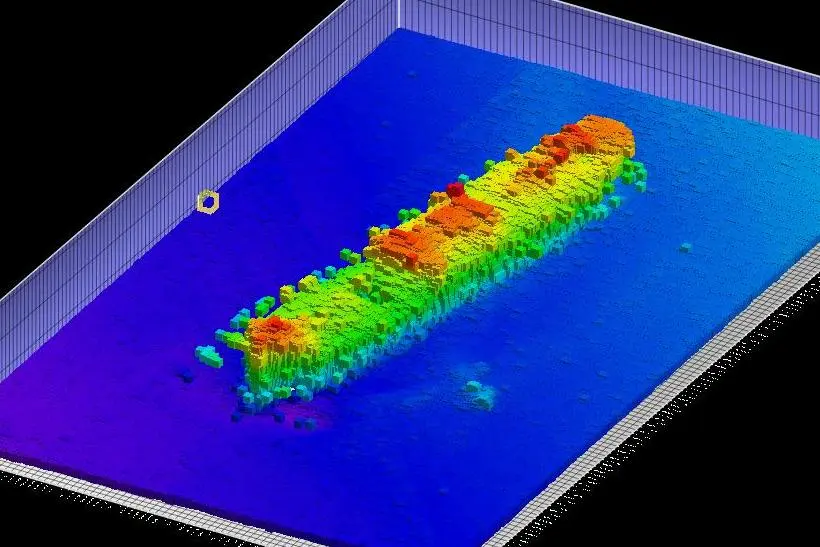
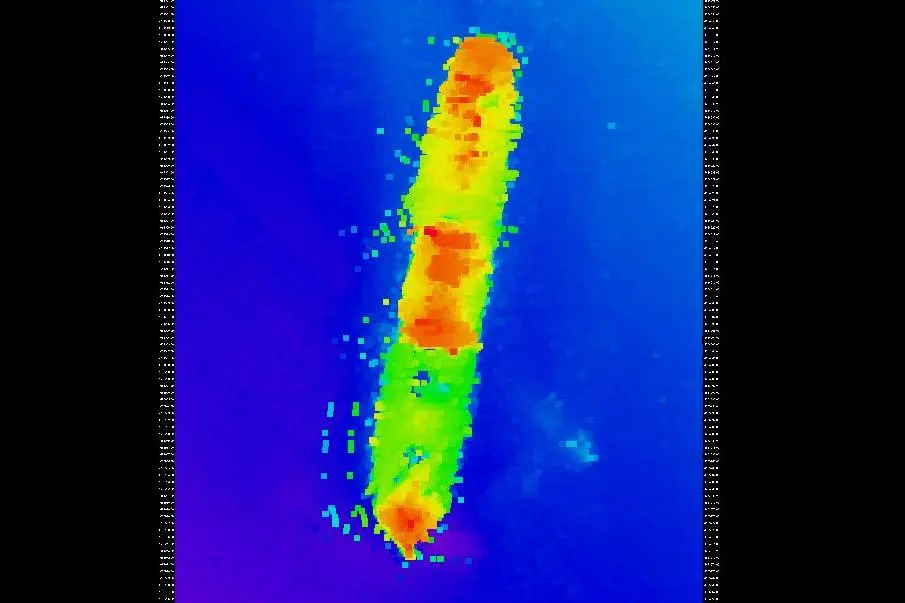
The submitted site description presents the wreck as resting broadly upright on its keel, with recognizable cargo winches and lifeboat davits. It also reports substantial fishing-net entanglement; these observations should be checked against the latest archaeological survey before publication as a description of its current condition.
The published wreck record gives a maximum depth of approximately 75 metres. At this depth, archaeological documentation offers a particularly valuable way to make the site accessible without requiring a physical visit.
Research and identification
The supplied account credits Dragan Gačević with investigating and describing the wreck and reports subsequent digital recording through the Underwater Cultural Landscapes of Montenegro project. The dates, survey methods and availability of a completed 3D model should be confirmed with the project team before these achievements are included as verified website facts.
Further research should connect the historical loss record with diagnostic evidence from the seabed. Construction details, machinery, inscriptions or numbered fittings could strengthen the identification and help distinguish this wreck from other merchant vessels lost nearby.
Diving Maria Pompei
This is not an ordinary recreational diving site. Any proposed visit should undergo a specialist assessment of depth, decompression requirements, conditions and access arrangements.
Given the reported fishing nets, divers should avoid penetration and maintain a strictly non-contact approach. Nothing should be moved or removed: fittings, machinery and scattered fragments may be essential to establishing the vessel’s identity and reconstructing its loss.
Preserving the site
The website should present Maria Pompei as a research and conservation site rather than promise unrestricted diving access. Digital models, historical photographs and an illustrated ownership timeline would offer ways to explain its changing identity and wartime loss.
Claims about formal legal protection should be checked against the relevant administrative decision. Acceptance of a protection initiative should not be described as completed designation unless that status has been confirmed.
Propulsion: Triple-expansion steam engine, single propeller
Reported speed: Approximately 9.5 knots
 QuintoSteamship · Bay of Bigovica
 SrebrenoSteamship · Kalafat Reef
 HMS H3Submarine · Near Mamula
 Patrol Boat PBR-512Vessel · Žanjice Bay